The Impact of Halal Certification on U.S. Exports
Zehra Jafri
Article
December 10, 2025
The relationship between the United States and the Muslim world is older than the nation itself. Long before the Declaration of Independence was signed, merchants from the American colonies were crossing the Atlantic toward the ports of North Africa and the Mediterranean. They carried salted fish, flour, lumber, and other modest goods, items that seem simple today, yet formed the earliest threads of a global trade identity. More than the food itself, what made these early exchanges remarkable was the trust and curiosity that grew around them. Food thus became the first shared language between two very different worlds. In a way, it also opened doors to a chain of thought where American traders came to accept the needs and requirements of people of other faiths. This seemingly small reality would later play an unexpectedly large role in shaping US trade relations.
As these early exchanges continued, a pattern emerged. Raisins, olives, olive oil, saffron, and grains travelled westward across the sea, while lumber, flour, and dried fish moved eastward. Over time, these early maritime relationships laid the groundwork for something more enduring. The young American republic, not yet fully formed politically, was already learning about diplomacy, risk, resilience, and the cultural significance of what people eat. These early maritime relationships laid the groundwork for an unexpected foundation, one that would, centuries later, shape the contours of the global halal food economy.
A defining moment arrived in 1777 when Sultan Mohammed III of Morocco became the first foreign ruler to recognize the United States as an independent nation. This act of early diplomacy opened Moroccan ports to American vessels and set the stage for the Treaty of Peace and Friendship, signed in 1786, which remains the oldest unbroken treaty in US history.
Unlike many diplomatic ties in the 18th century, this relationship was rooted in mutual benefit rather than conquest or colonization. Morocco exported olive oil, dates, figs, and spices; the US supplied lumber, grain, and increasingly, processed foods. These exchanges proved that agricultural trade could serve as a foundation for trust. The young United States, in its search for legitimacy beyond Europe, found in Morocco both an ally and a gateway to the broader Muslim world.
Not all early interactions were smooth. While Morocco extended friendship, American ships traveling near Algiers, Tunis, and Tripoli faced corsair raids. These threats eventually sparked the Barbary Wars (1801–1815), America’s first overseas military conflicts.
Although costly, these encounters taught the United States vital lessons about maritime security, negotiation, and international commerce. More importantly, they forced the new nation to engage with Muslim-majority states not as distant curiosities but as global players with their own diplomatic, political, and economic power. The hard-won ability to secure Mediterranean trade routes would later help the US expand commerce into the Middle East, North Africa, and Southeast Asia, all regions central to today’s halal markets.
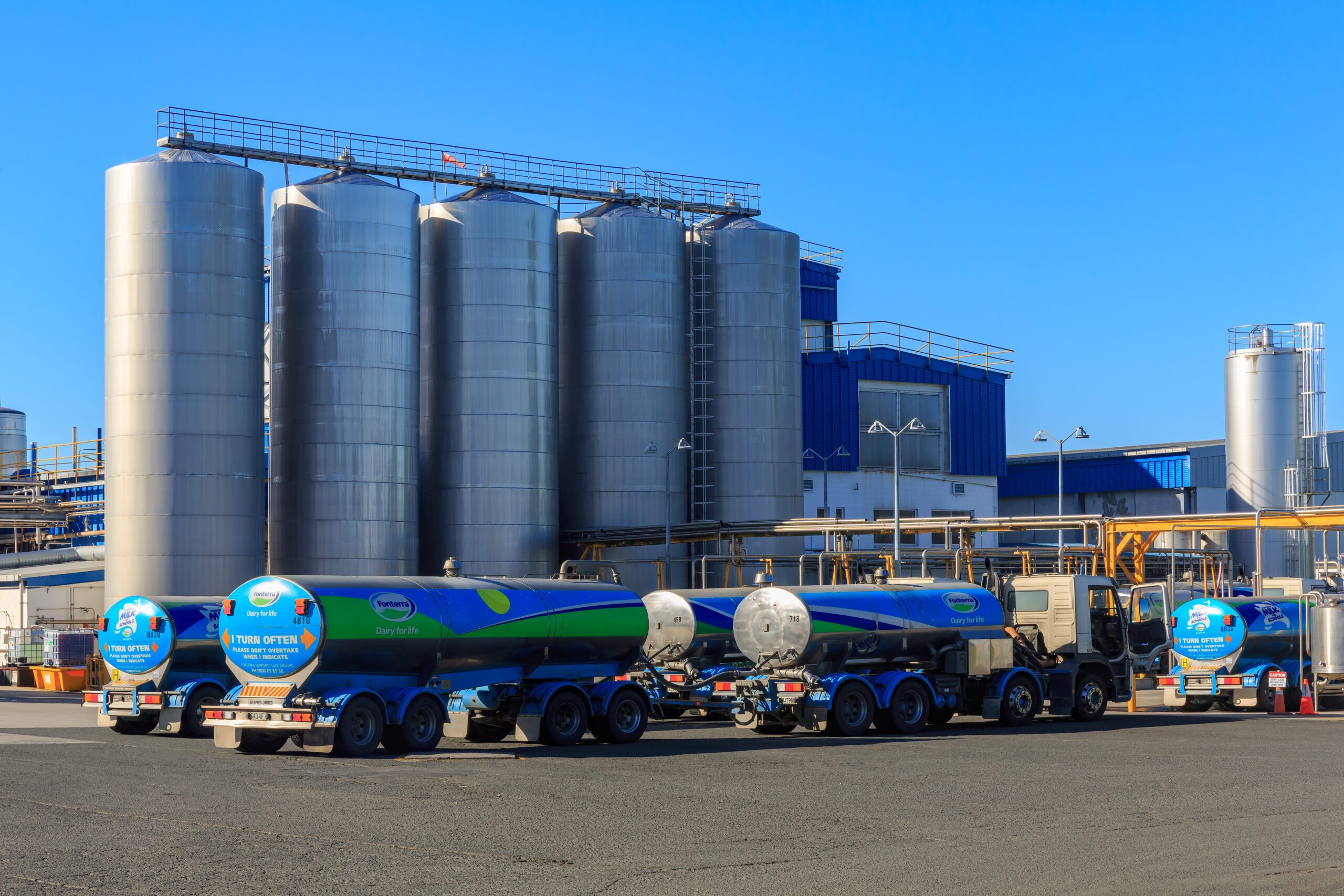
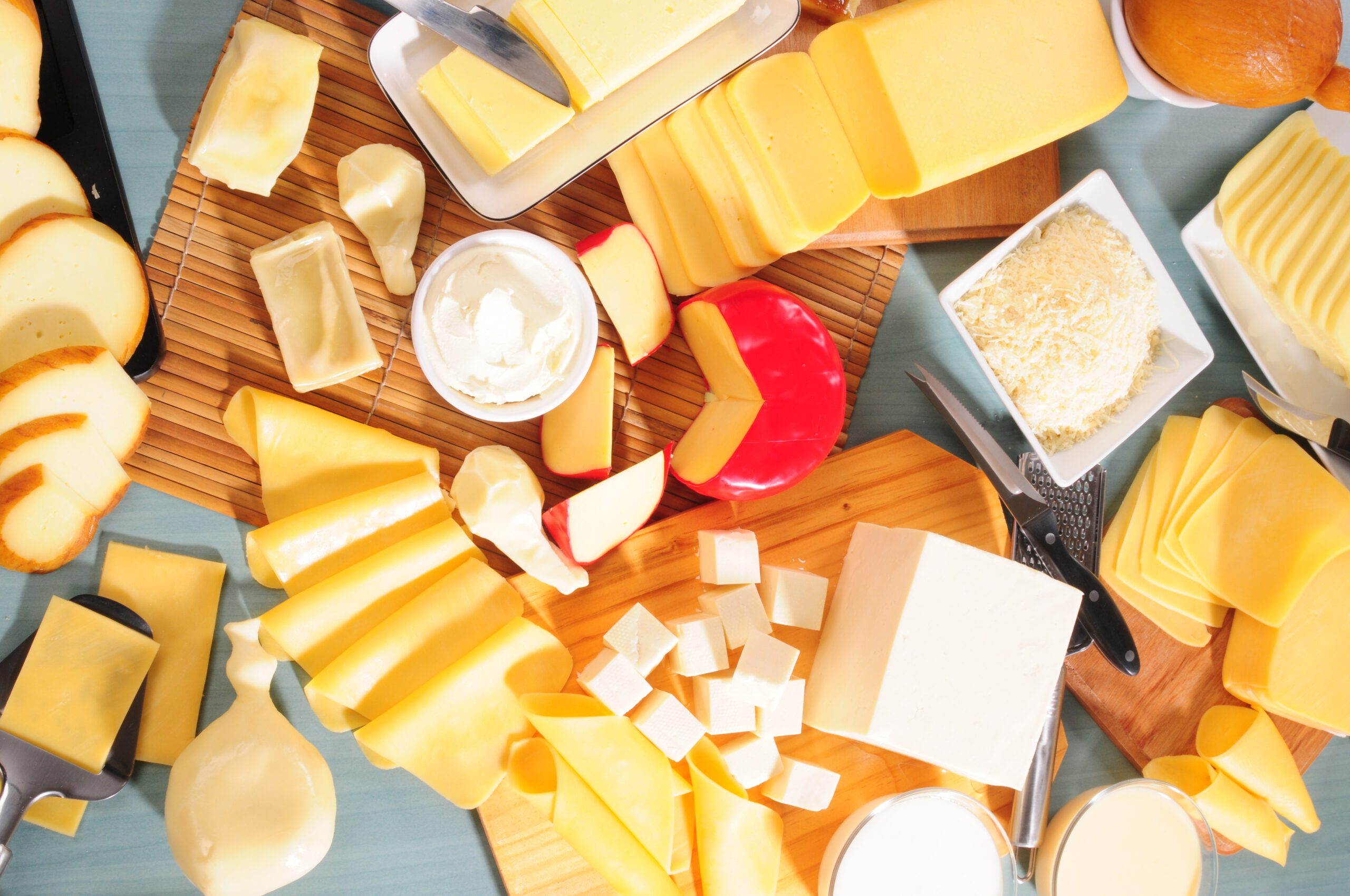
By the 20th century, industrialization had reshaped American agriculture. Food production became more efficient, scientific, and large in scale. Among the industries transformed during this period, dairy became one of the most globally significant. Yet a fundamental obstacle limited its reach in Muslim-majority regions: rennet.
Traditionally, rennet, which was used to coagulate milk during cheesemaking, was derived from the stomach linings of calves, goats, and lambs, and in some cases, pigs. This made large portions of US cheese and many of its byproducts religiously impermissible for Muslims. Consequently, an entire sector of American exports remained largely untapped.
Meanwhile, whey, the liquid leftover from cheese production, was regarded as a low-value byproduct and often discarded. Its nutritional potential had not yet been recognized. These two constraints, non-halal rennet and undervalued whey, created a ceiling on US dairy exports to Muslim markets. That ceiling would be shattered in the 1980s.
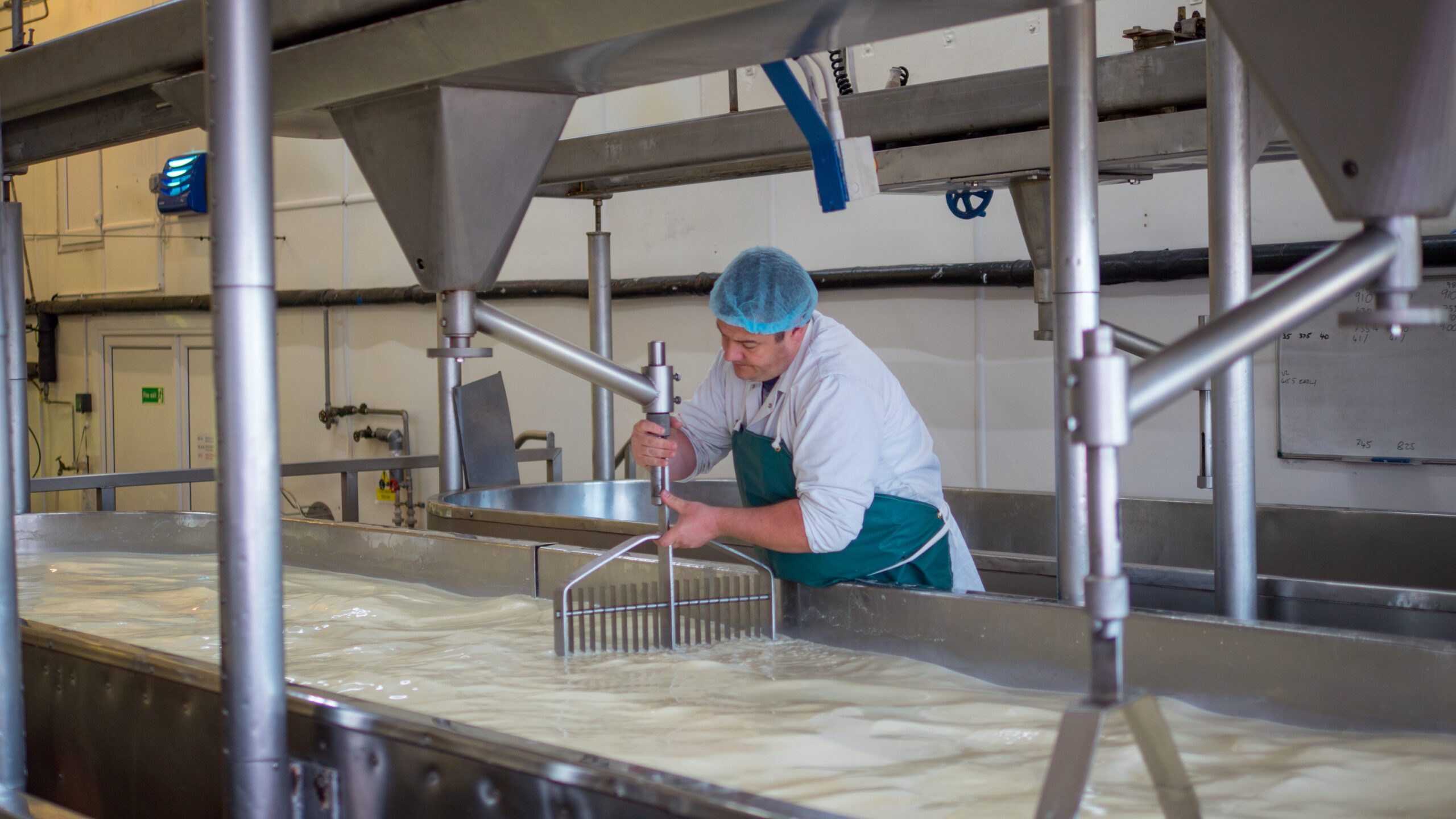
A transformative moment came in the mid-1980s when Pfizer and Chr. Hansen developed Chy-max, the world’s first genetically engineered microbial (GMO) rennet. But innovation alone was not enough. To unlock halal markets, the product needed to meet the faith-based dietary requirements of millions of consumers.
This is where the Islamic Food and Nutrition Council of America (IFANCA) played a defining role. IFANCA worked closely with Pfizer and Chr. Hansen to ensure that microbial rennet met halal standards from production to processing. The result was groundbreaking: for the first time in history, American cheese and dairy derivatives could be halal-certified.
The implications were enormous. Whey, once considered waste, can now be certified halal and used in infant formula, protein shakes, supplements, and nutritional products. With the global Muslim population growing rapidly and demand for fortified foods rising across the Middle East, North Africa, and Southeast Asia, US dairy producers suddenly had access to an expansive new market.
What had begun as a niche scientific innovation quickly became a global export advantage. This moment demonstrated how biotechnology, when aligned with ethical and religious considerations, could reshape entire industries.
The timing of this halal breakthrough could not have been more strategic. In the 1980s and 1990s, global cheese consumption surged, primarily driven by the expansion of fast-food chains and Western-style convenience dining. Every new pizza outlet, burger chain, and bakery requires vast quantities of cheese and dairy ingredients.
With microbial rennet now halal-certified, American producers could supply markets that had previously been off-limits. At the same time, scientists began to fully understand the nutritional value of whey. This was especially significant in regions where consistent access to fortified nutrition was limited. Whey-based baby formula, for example, became an essential product in many Muslim-majority countries.
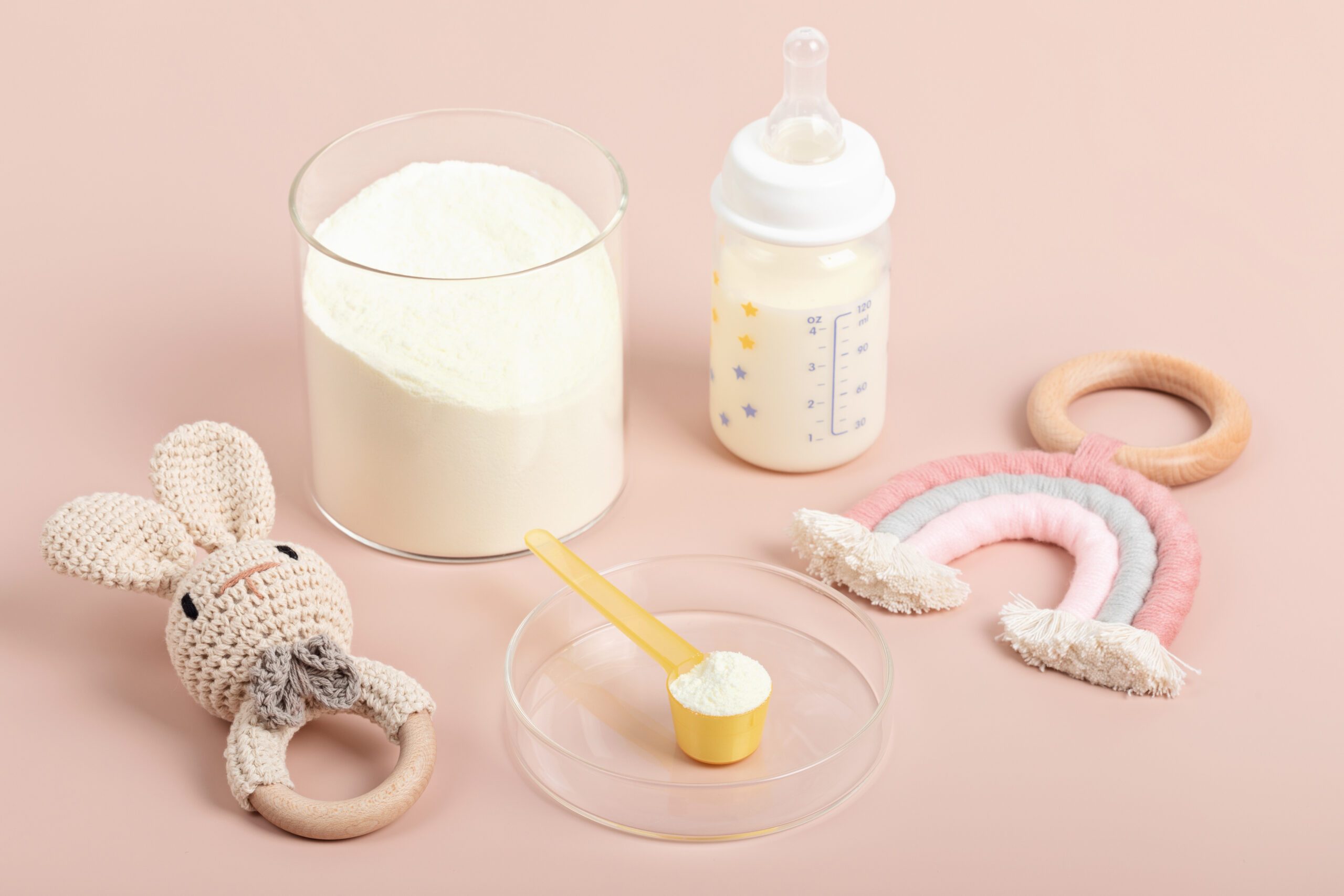
By the early 2000s, US dairy ingredients, including cheese, milk powders, whey protein, lactose, and isolates, were being incorporated into food manufacturing facilities across Saudi Arabia, the UAE, Egypt, Indonesia, and Malaysia. The upward trend in US dairy exports over the past five decades reflects the direct impact of these scientific and regulatory advancements.
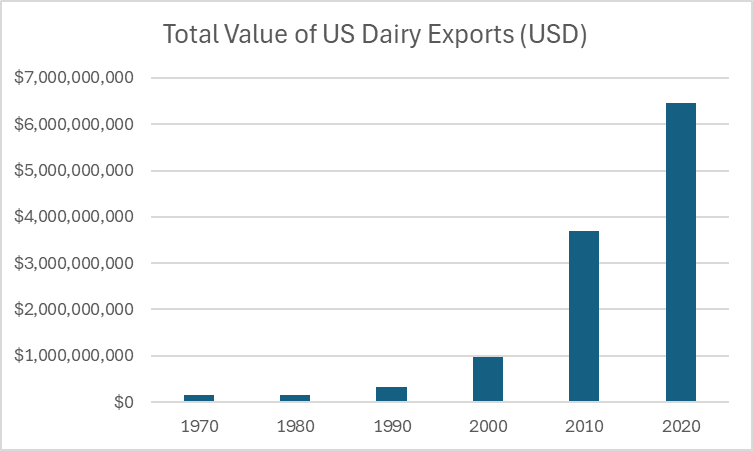
The transformation was not simply economic.
“It proved that respecting religious dietary needs can generate new commercial pathways, highlighting how ethics and innovation can work hand in hand to create global opportunities.”
Centuries after the first American ships arrived in Moroccan ports, Morocco remains one of the United States’ most reliable agricultural partners. Following the US–Morocco Free Trade Agreement in 2006, bilateral agricultural trade increased by more than 100%.
In 2023 alone, Morocco imported over $600 million in US agricultural products, including wheat, corn, and processed foods. What began as simple two-way exchanges. Salted fish for olive oil, flour for spices, has evolved into a movement centered on high-value dairy proteins, halal-certified cheese, and specialized nutritional ingredients.
This continuity underscores a deeper truth: relationships built on trust, food, and mutual respect tend to endure. The early diplomatic hospitality extended by Sultan Mohammed III laid a foundation for a modern trade partnership that still thrives today.
The story of halal certification in the United States is ultimately a story of adaptation, of how a nation’s food industry learned to listen, adjust, and innovate in response to cultural and faith-based needs. From the wooden decks of pre-revolutionary merchant ships to the stainless-steel bioreactors producing microbial enzymes today, American engagement with Muslim consumers has evolved through curiosity, respect, and scientific ingenuity.
IFANCA’s role in certifying microbial rennet bridged the gap between biotechnology and faith. This allowed US dairy producers to participate meaningfully in Muslim-majority markets, markets that continue to grow in size, sophistication, and purchasing power.
Today, whether it is a slice of pizza served in Marrakesh or a protein drink enjoyed in Jakarta, the influence of this long history is visible. These foods carry within them centuries of maritime exploration, diplomatic collaboration, scientific breakthroughs, and a shared appreciation for nourishment.