Physical Education Builds Muscle and Mind
Ali Othman, NSCA-CPT®
Article
March 31, 2026
A generation ago, most children spent the afternoon outside. They rode bikes, played wiffle ball, and invented new games that kept them physically active until dinner. Today’s lifestyle is not the same. Opportunities for movement have been replaced with digital entertainment, and while online connection has its place, it rarely offers the same benefits as face-to-face interaction.
Playing in the yard, joining a team, or taking part in physical education classes doesn’t simply build strong bodies. It sharpens the mind, fosters resilience in the face of adversity, and creates a sense of belonging in a rapidly changing world. With guidance from coaches and educators, a childhood filled with purposeful movements becomes more than play. It equips children with lifelong skills for health, confidence, and success.
At its basic level, physical education lays the groundwork for a healthy body. Regular movement strengthens the cardiovascular system, builds muscle, increases bone density, and improves flexibility as a child grows. Establishing healthy habits early reduces the risk of lifestyle-related diseases such as type 2 diabetes, hypertension, and high cholesterol, all of which are on the rise in the younger population. The structured, repetitive activities involved in exercise help improve children’s motor skills and coordination, giving them confidence in how they interact with their environment.
“Children who engage in regular physical activity tend to be higher academic performers.”
A 2013 study by R.M Eime et al published by the International Journal of Behavioral Nutrition and Physical Activity concluded that, “There is substantive evidence of many different psychological and social health benefits of participation in sport by children and adolescents.” Movement stimulates blood flow and oxygen to the brain, triggering the release of neurotransmitters and endorphins that enhance concentration, alertness, and memory retention. Physical activity supports the process of neuroplasticity, the brain’s ability to form new connections. This is especially important during childhood, when the brain is in its developmental stage. When children are active, they’re strengthening the neural pathways that support learning, focus, and creativity in the classroom.
Exercise is a powerful regulator of emotional well-being. It reduces stress hormones while increasing those that stabilize mood like serotonin and dopamine. Learning a new skill, practicing until perfect, and experiencing success and failure are important in developing confidence and emotional resilience. Every missed shot, and each small win is a lesson in persistence that teaches children that growth is achieved through effort, and progress comes one step at a time.
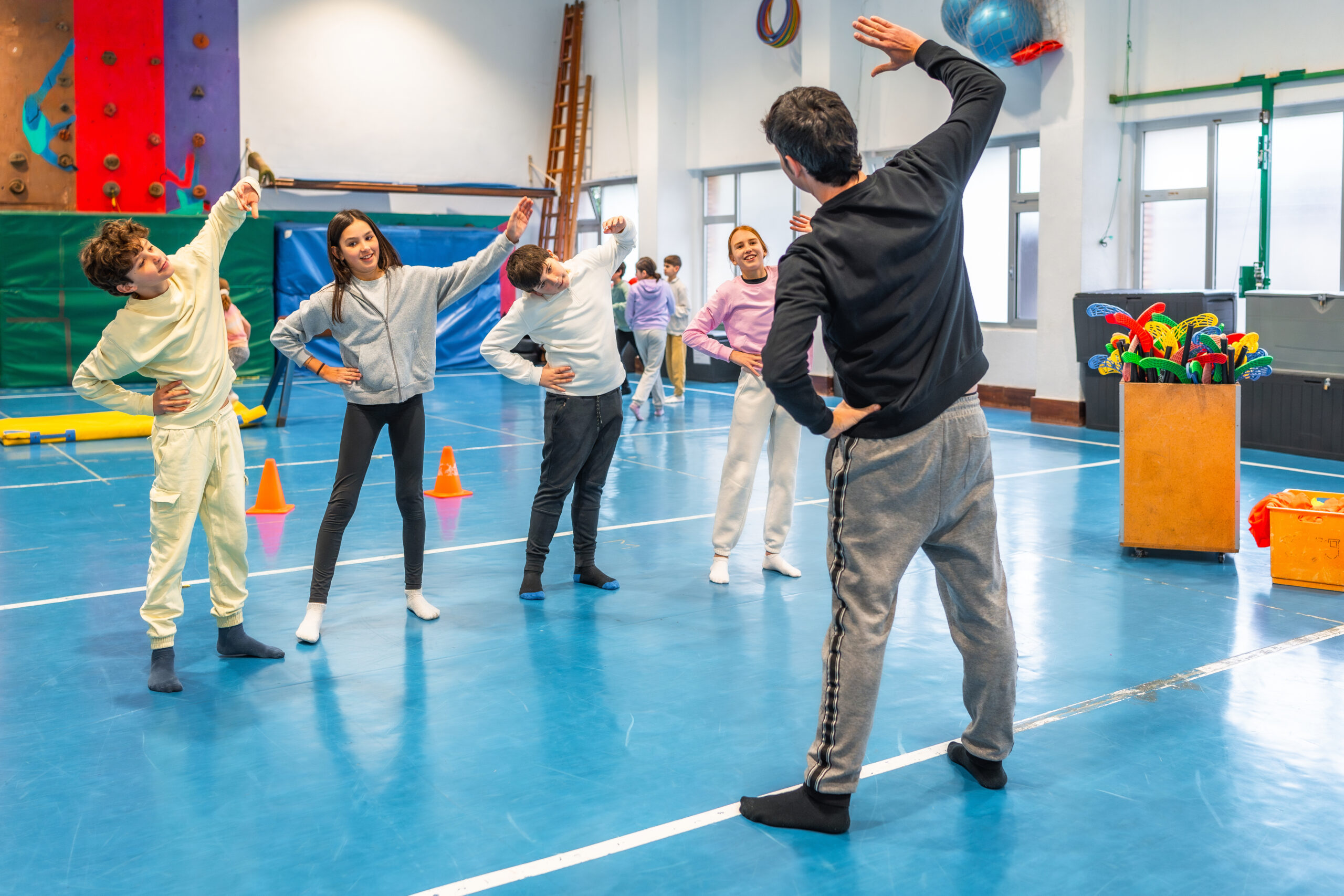
“Team sports offer one of the richest environments for social and emotional development. Success on the field requires communication, trust, and cooperation, all of which are essential life skills.”
Working towards a shared goal teaches children to actively listen, respect different perspectives, and accept feedback from teammates and coaches. These experiences build empathy and self-awareness, which are the foundation of emotional intelligence.
Being part of a team provides a structured opportunity to face adversity. Every athlete, no matter how skilled, experiences a setback or defeat at some point. Learning to respond to loss or injury with perseverance rather than discouragement builds character and emotional maturity. Through consistent practice and coaching children come to understand that a setback is not a failure, rather an opportunity for self-reflection and improvement. This type of resilience can influence how a child approaches challenges in school, relationships, and work.
Maybe the greatest gift of team sports is the sense of belonging they foster. A shared purpose and collective identity can reduce feelings of isolation, improve well-being, and provide a sense of belonging. Children can experience leadership, cooperation, success, and disappointment within a team framework that emphasizes accountability and respect.
Extracurricular physical activities are a chance for children to explore their unique interests and discover how they like to move. In a 2024 study by W. Wang et al published by Behavioral Sciences in MDPI, it was observed that, “In the fifteen-year-old group, students who participate in both extracurricular sports and arts activities score higher in all five dimensions of social and emotional skills than those who do not participate.” Martial arts, ballet, swimming, or baseball promote autonomy in movement, a key driver of long-term engagement and remaining active into adulthood. Not every child thrives in a traditional team environment, and the diversity of options in extracurricular activities ensures every child can find a form of movement that brings joy, confidence, and purpose.
Different activities provide an opportunity to teach different life skills. Disciplines like martial arts or ballet encourage focus, precision, and self-discipline, while outdoor pursuits like hiking or climbing foster independence and problem-solving skills. Participating in these types of activities early in life strengthens self-regulation, goal-setting, and perseverance, all of which are consistently linked with academic success and emotional stability.
Extracurricular physical activities plant the seeds of lifelong healthy habits. Children who are active outside the classroom are far more likely to remain active as adults. In this sense, every practice, rehearsal, and scrimmage is the stage for growth and development.
Coaches and physical educators are more than simply sports instructors. They are mentors who influence children’s behavior, values, and motivations. Their influence extends beyond drills and scoreboards; it can guide values, motivation, and character. A coach’s leadership can define how young athletes process success and failure. Those who emphasize effort over outcome teach resilience, humility, and perseverance in the face of defeat. They create a positive framework allowing children to internalize lessons that extend beyond the game and into life.
Physical education, team sports, and extracurricular activities are more than childhood pastimes. These are the training grounds of life. Children discover their strengths and their limits. They learn how to collaborate towards a common goal, and
“[Children] come to understand that the discipline and patience they practice in sports are the same skills needed to navigate life’s challenges..”
with confidence and grace.
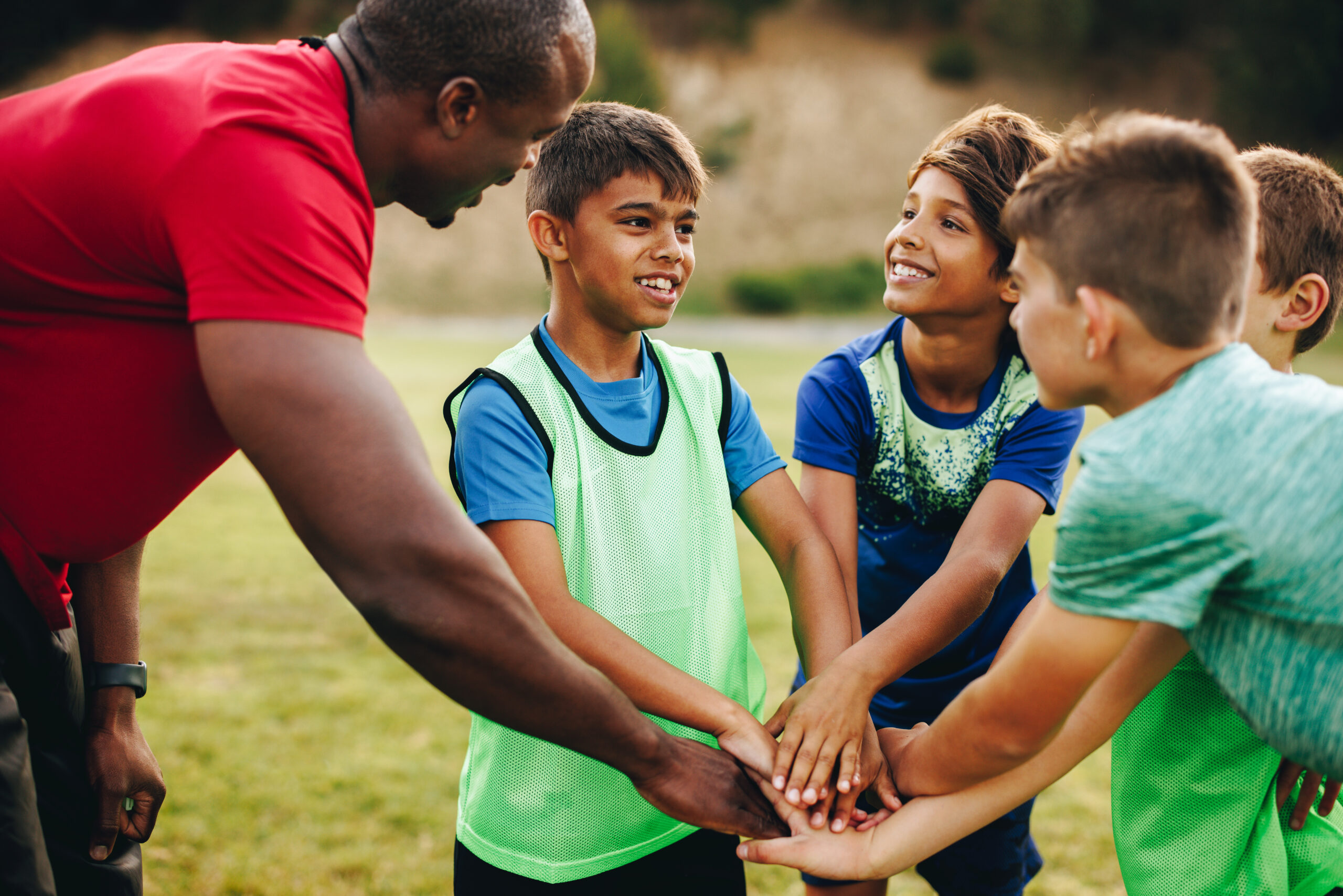
Coaches and educators must be at the heart of this development. Their mentorship transforms play into purpose and practice into progress. When supportive adults celebrate effort and character as much as achievement, they cultivate capable athletes and strong, confident, empathetic adults.
Through physical play, shared goals, and collective challenges, children learn to lead and follow, and to trust themselves and their peers. These experiences build muscle, and more importantly, character. For the next generation to stand strong, they need mentors who teach, environments that nurture growth, and the freedom to boldly move as they please.
References
Ali Othman is an NSCA-certified personal trainer with over fifteen years of experience in the health and wellness industry. He is passionate about giving people the tools to live a healthier and better-informed tomorrow.