
IFANCA: Pioneering Trust and Innovation in the Global Halal Industry
Hafiz Maqsood Ahmed
Article
March 31, 2025
Hafiz Maqsood Ahmed
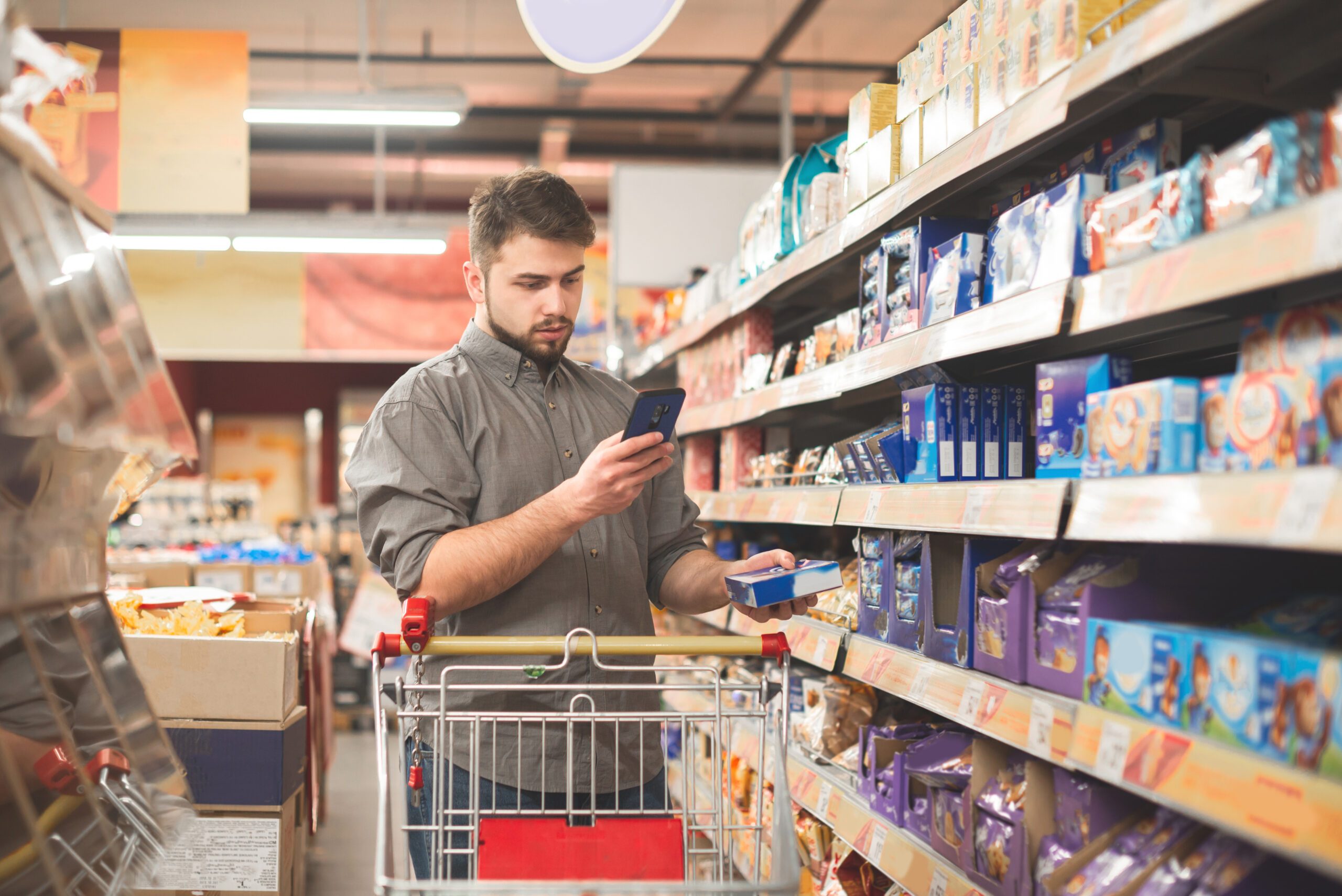
Picture yourself in a bustling supermarket aisle, scanning labels for that one symbol that guarantees peace of mind—a mark that says the food you’re about to buy respects your faith. For millions of Muslims worldwide, that symbol is the Crescent-M, the iconic logo of the Islamic Food and Nutrition Council of America (IFANCA).
“Since 1982, IFANCA has been more than a certification body; it’s been a global trailblazer, weaving trust, science, and Islamic values into the fabric of the $2 trillion halal industry.”
From certifying your favorite snacks to ensuring vaccines align with halal standards, IFANCA is transforming what it means to live halal in a complex world. So, who is IFANCA, and why does its work matter to 2 billion Muslims and beyond? Let’s dive into the story of an organization that’s redefining faith-driven transformation in food, pharma and beyond.
A Legacy Born from Faith and Vision
Back in 1982, a group of visionary Muslim scholars, scientists, and community leaders in Chicago saw a problem: Muslims in America were struggling to find trustworthy halal products. With no standardized certification, navigating grocery stores felt like a gamble. Enter IFANCA, founded to bring clarity and confidence to halal consumers.
“What started as a small nonprofit has grown into a global powerhouse, certifying over 20,000 products across 75 countries”
and serving as a trusted partner to industry giants like Nestlé, Unilever, Abbott and Cargill.
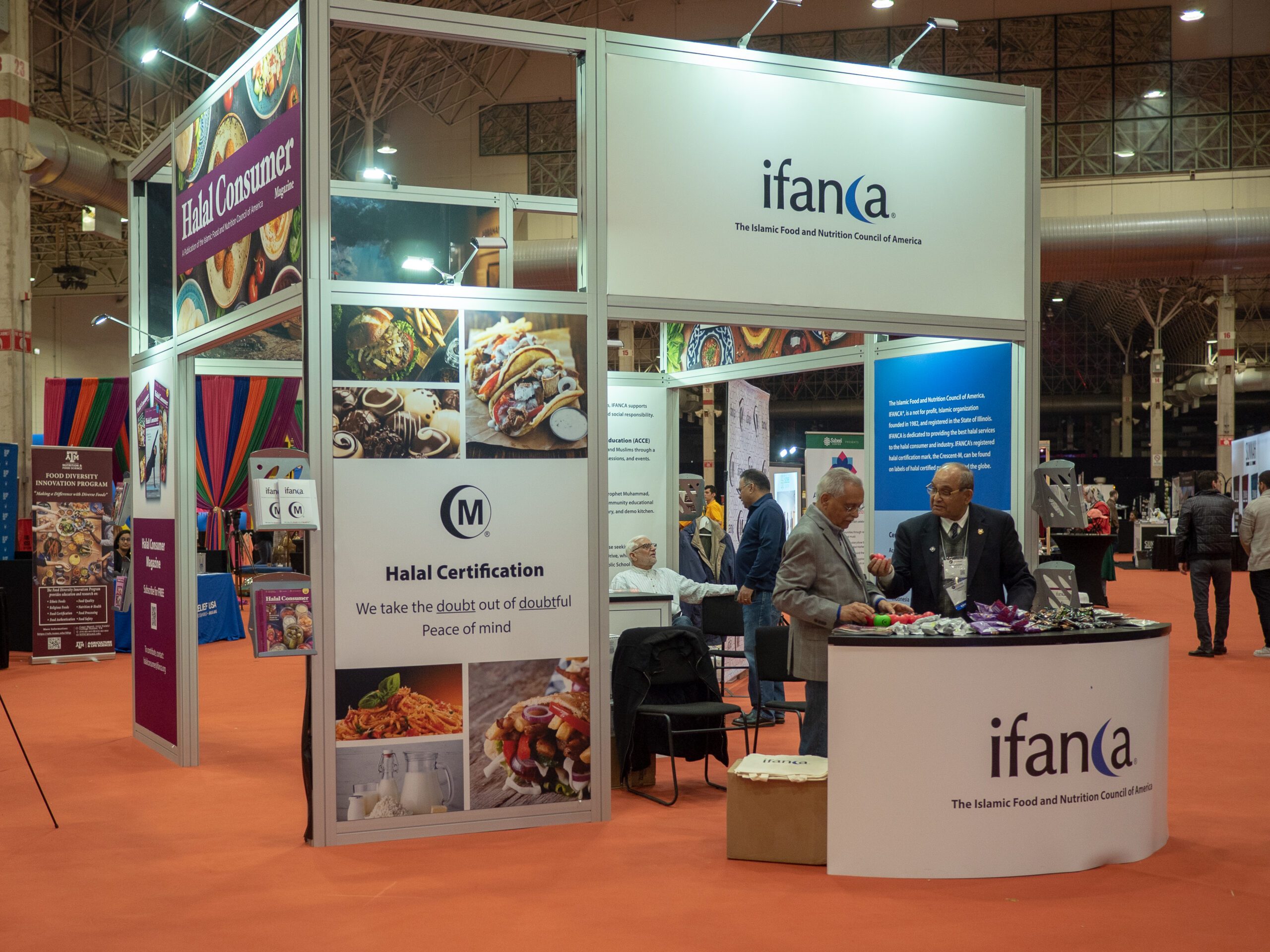
IFANCA’s mission is simple yet profound: to ensure Muslims can access halal food, cosmetics, pharmaceuticals, and more without doubt. But it’s not just about slapping a logo on a package. IFANCA’s work is a meticulous blend of Islamic scholarship, cutting-edge science, and rigorous auditing, ensuring every product meets the strictest halal standards rooted in the Quran and Sunnah. “Our goal is to empower Muslims to live their faith fully,” says Dr. Muhammad Munir Chaudry, IFANCA’s president. “But we’re also building bridges—showing the world that halal is about quality, ethics, and inclusion.”
How IFANCA Makes Halal Happen
So, how does IFANCA turn a chicken breast or a tube of toothpaste into a certified halal product? It’s like a high-stakes detective mission. IFANCA’s team—made up of Islamic scholars, food scientists, and auditors—scours every step of the supply chain. They inspect and audit slaughterhouses to ensure animals are slaughtered by Muslims with a prayer, and comb through factories to rule out cross-contamination. For processed foods, cosmetics, or drugs, they dive into ingredient lists, sniffing out sneaky culprits like gelatin, alcohol, or emulsifiers that might be haram (forbidden).
This isn’t a one-time check. IFANCA conducts regular audits to detect traces of non-halal substances. Certifying a single product can take months and cost thousands, but the result is a Crescent-M logo that’s recognized worldwide as a gold standard. “When I see that logo, I know I’m safe,” says Fatima Ali, a college student from New York who relies on IFANCA-certified products. “It’s like having a friend who’s done all the homework for me.”
Beyond Food: A Holistic Halal Revolution
While food is IFANCA’s bread and butter (halal, of course), its reach goes far beyond the kitchen. Did you know that cosmetics, like lipsticks with carmine (a red dye from insects), or medicines with pork-derived gelatin, can be non-halal? IFANCA certifies everything from skincare to vaccines, ensuring Muslims can care for their bodies and health without compromising their faith. In 2021, IFANCA partnered with UNICEF and Gavi to certify COVID-19 vaccines, addressing concerns about gelatin and building trust among Muslim communities worldwide.
IFANCA also tackles emerging industries. It certifies halal supplements and even packaging materials (some glues contain animal byproducts). As the halal market diversifies—think halal tourism or e-commerce—IFANCA stays ahead, developing standards for new sectors. “Halal is a lifestyle, not just a diet,” says Asma Ahad, IFANCA’s Director of Halal Market Development. “We’re here to make that lifestyle accessible to everyone.”
Empowering Through Education and Advocacy
IFANCA doesn’t just certify—it educates. Its Halal Consumer magazine, available in print and online, breaks down complex topics like halal ingredients and industry trends for everyday readers. The organization hosts webinars, workshops, and conferences, from Chicago to Dubai, teaching businesses how to go halal and consumers how to shop smart. Its YouTube channel and social media, buzzing with tips and Q&As, make halal knowledge fun and approachable. “I learned from IFANCA’s Instagram that some cheeses aren’t halal because of rennet,” says Zainab, a 15-year-old from Houston. “Now I check labels like a pro!”
IFANCA also advocates for systemic change. It works with governments, like Malaysia’s JAKIM, Indonesia`s BPJPH and the UAE’s halal authority, to harmonize global standards. In the U.S., where halal certification lacks federal regulation, IFANCA collaborates with the USDA to promote transparency. It’s even tackling halal fraud, utilizing technology to create traceable supply chains. “We’re not just reacting to the market,” says Dr. Chaudry. “We’re shaping its future.”
A Global Impact with Local Roots
“Headquartered in Chicago, IFANCA’s influence spans the globe. Its 14 international offices, from Canada to Indonesia, support businesses and consumers in diverse markets. It trains thousands of food industry professionals annually, ensuring halal practices are understood from farm to fork.”
Major brands rely on IFANCA to tap into the $2 trillion halal economy, projected to hit $3 trillion by 2028. Supermarkets like Costco and restaurants like The Halal Guys (before their Long Island closures) proudly display the Crescent-M, knowing it draws Muslim shoppers.
But IFANCA’s heart remains local. It engages communities and organizations through school programs, and charity drives, like distributing thousands of turkeys during thanksgiving. Its scholarship fund supports Muslim students in food science, nurturing the next generation of halal experts. “IFANCA feels like family,” says Imam Yusuf Patel, a New Jersey scholar who works with the group. “They’re not just about business—they’re about our values.”
It’s not all smooth sailing. Certifying products is expensive, which can exclude small businesses, especially in developing countries. Fake halal logos and “halal washing” (when companies falsely claim halal status) erode trust. IFANCA fights back with legal action and consumer alerts, but the battle’s ongoing. Harmonizing global standards is another hurdle—different countries have different rules, like whether machine slaughter is halal. IFANCA pushes for dialogue, hosting summits to align certifiers worldwide.
Looking ahead, IFANCA’s embracing tech and innovation. With the halal market booming, IFANCA’s role as a trusted guide is more vital than ever. “We’re not just keeping up,” says Ahad. “We’re leading the charge.”
Why IFANCA Matters to You
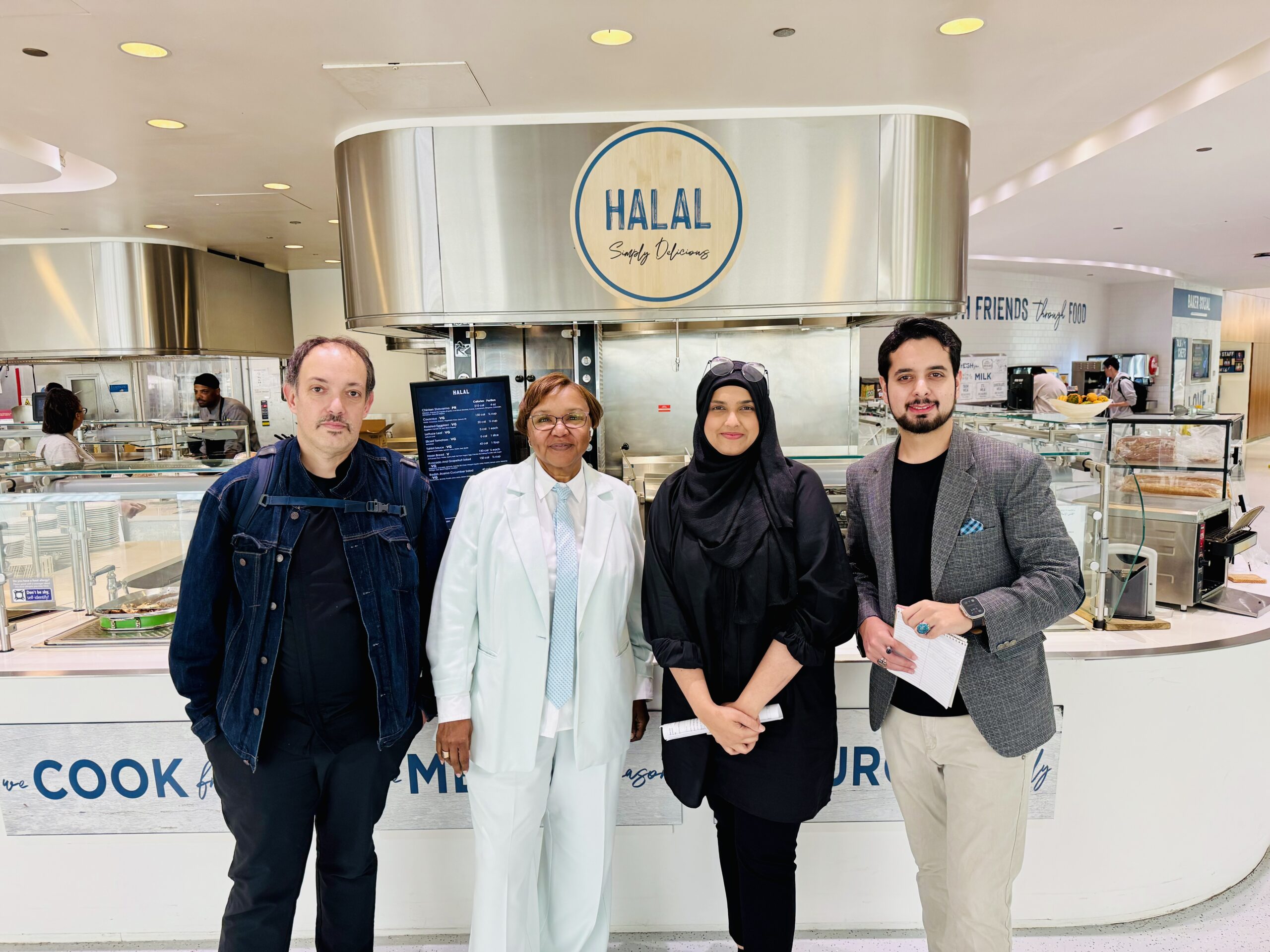
Whether you’re a Muslim scanning labels, a business eyeing the halal market, or just curious about halal’s global rise, IFANCA’s work touches your life. Its Crescent-M logo is a promise—of faith, quality, and ethics. It’s why Fatima trusts her groceries, why Nestlé reaches Muslim consumers, and why vaccines reached remote villages during a pandemic. It’s why halal is no longer niche but a mainstream force, from Walmart aisles to Michelin-starred menus.
IFANCA’s story is one of vision, grit, and heart. It’s about making halal not just possible but empowering, uniting 1.9 billion Muslims and countless others under a shared commitment to trust and integrity. Next time you spot that Crescent-M, know it’s more than a logo—it’s a legacy of faith in action, built by a team that’s changing the world, one halal product at a time.
Hafiz Maqsood Ahmed is the Editor-in-Chief of The Halal Times, with over 30 years of experience in journalism. Specializing in the Islamic economy, his insightful analyses shape discourse in the global Halal economy.