
Gelatin Traceability: From Slaughterhouse to Capsule
Briana Mariam Thomas
Article
June 30, 2026
Briana Mariam Thomas
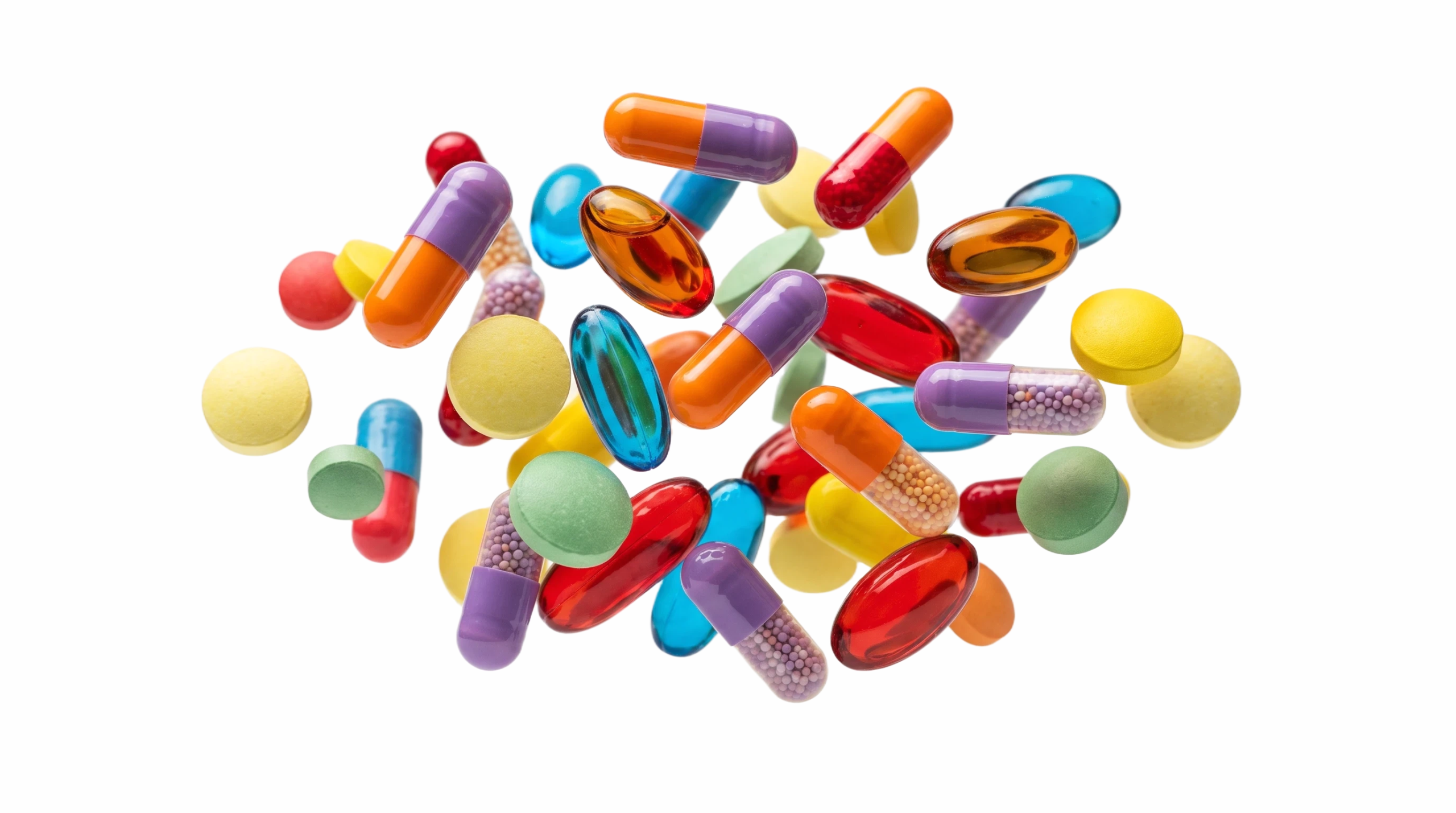
When consumers hear “halal certification,” they may commonly picture restaurant menus or meat processing. Rarely do we consider that one of the smallest ingredients in a product could actually make or break the halal status of an entire food, supplement, or medicine. Gelatin—often utilized in pharmaceutical capsules, marshmallows, nutritional supplements, confectionery, gelatin desserts, and yogurt—is one such critical ingredient.
Today, halal-certified gelatin is available worldwide, increasing access for Muslim consumers to purchase a growing range of halal-certified pharmaceuticals, supplements, and food products without hesitation. This accessibility was hard-earned, the outcome of decades of innovation and one crucial concept: traceability.
IFANCA helped establish a pioneering, fully verifiable halal gelatin supply chain. IFANCA and its minds transformed what was once held as one of the halal industry’s greatest challenges into one of its greatest success stories.
Why Does Traceability Matter?
The process of Halal Certification goes beyond simply identifying the species an ingredient comes from. It also asks and documents several important questions through a thorough verification process.
Questions such as:
Gelatin serves as a great example of why this matters.
Commercial gelatin is generally produced from collagen extracted from the bones or skins of animals, commonly from pigs and cattle. While gelatin itself is a fairly small ingredient, it lives and is used in thousands of products throughout the food and pharmaceutical industries.
Historically, commercial gelatin production prioritized efficiency rather than ingredient segregation. Rendering facilities collected bones from numerous slaughterhouses, processing them together regardless of origin. Halal and non-halal cattle bones were routinely mixed, and cattle bones were often processed alongside pig bones. Once combined, there was no practical way to verify the origin or halal status of the finished gelatin.
Even when manufacturers developed documentation stating their gelatin was derived from cattle, a crucial question was left unanswered: Had the cattle been slaughtered according to Islamic requirements? Without such verifiability, proper halal certification could not be assured.
For IFANCA, this showcased a broader principle that continues to define halal certification today: confidence in an ingredient depends on confidence in its entire supply chain.
Building a Verifiable Supply Chain
In 1992, this principle grew especially relevant, when a global manufacturer of nutritional supplements contacted IFANCA after learning that Muslim consumers would not accept products packaged in capsules created with pork-derived gelatin.
Although the supplements themselves contained acceptable ingredients, the gelatin capsule prevented the finished product from meeting halal requirements.
At the time, no commercially available gelatin met IFANCA’s certification standards. Existing suppliers could confirm that their gelatin came from cattle and was free from pork contamination, but they would not be able to verify that the cattle had been slaughtered according to halal requirements or demonstrate that halal materials had remained segregated throughout production.
Rather than surrendering to incomplete assurances,
“IFANCA worked side-by-side with capsule producers, manufacturers, gelatin suppliers, and Muslim importing countries to create a system that had the capacity to document every stage of production—from slaughterhouse to finished gelatin.”

From Segregation to Certification
Working closely with slaughterhouses, processors, and manufacturers, IFANCA helped develop guidelines that protected halal integrity at every stage of production.
Halal bones were collected separately from non-halal materials. Transportation and storage systems were redesigned to prevent cross-contamination. Processing procedures became increasingly documented, allowing every stage of production to be verified before certification.
This represented a significant shift in how halal ingredients could be produced. Rather than relying solely on supplier declarations, certification was supported by documented oversight throughout the supply chain.
In 1999, after seven years of collaboration and continuous refinement, IFANCA successfully certified halal gelatin produced through this fully traceable process.
Expanding Access to Halal Products
Halal-certified gelatin opened the door for manufacturers to produce halal-certified pharmaceutical capsules, nutritional supplements, confectionery products, marshmallows, gelatin desserts, yogurt, and numerous food ingredients that previously lacked suitable alternatives.
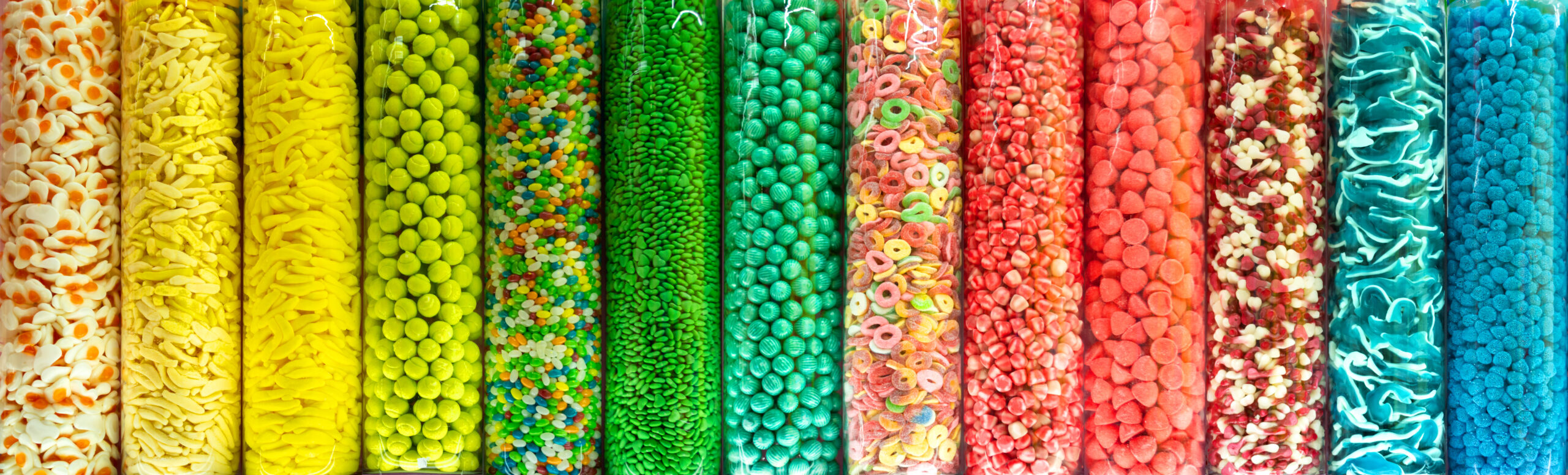
Just as importantly, IFANCA’s certification process examined the finished product—not simply the capsule. Every ingredient within a certified pharmaceutical or supplement also underwent halal review, providing consumers with confidence that the product as a whole met halal requirements.
“One of the biggest misconceptions is that halal verification happens only at the final stage of production. In reality, it is a continuous process that relies on every Manufacturer/Supplier documenting where materials come from and where they go next.”
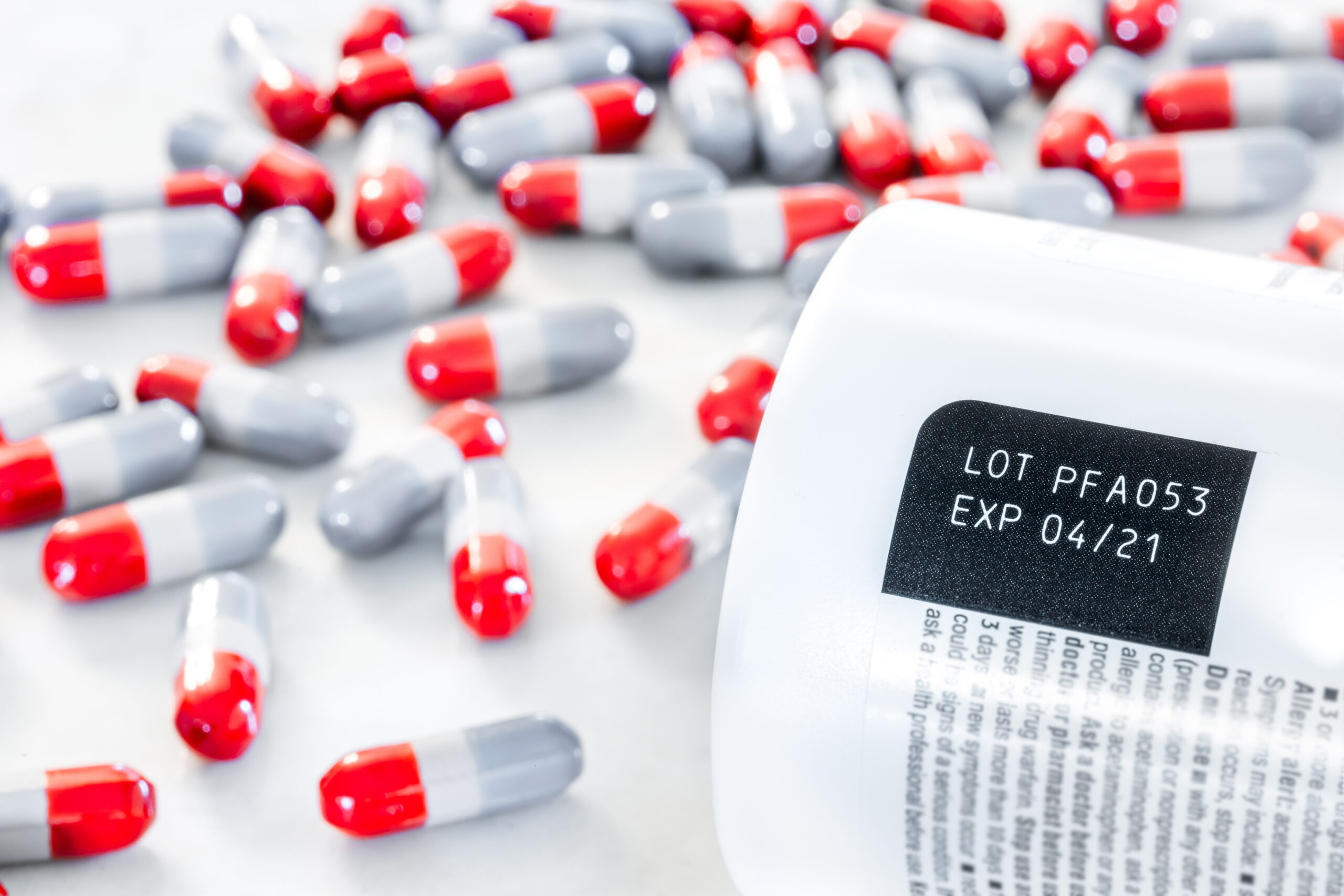
For example, bones from halal-certified sources are processed into gelatin, with each shipment and production batch assigned a unique lot number that is used in the finished products, each with its own lot number. These records create a traceable chain that follows the ingredient from one company to the next.
Dr. Farhat Quadri, Halal Administrator at IFANCA, recalled a case in which a consumer called while holding a nutrition supplement, asking whether the gelatin in its capsule was halal. Using the lot number on the finished product, IFANCA traced the capsule back through the manufacturer, the gelatin producer, and ultimately to the original halal-certified bones and slaughterhouses.
This level of transparency is only possible because manufacturers, suppliers, and certifiers maintain rigorous records throughout the supply chain. That collaboration and traceability give consumers confidence that the halal integrity of an ingredient has been verified from source to finished product.
A Lasting Legacy
The halal gelatin project demonstrated that effective halal certification depends on transparency, documentation, and collaboration across an entire supply chain.
Manufacturers, suppliers, slaughterhouses, processors, and certifiers all played essential roles in developing systems that preserved halal integrity from the source of the raw material to the finished product. Equally important were Muslim consumers, whose continued demand for halal-certified products encouraged industry to invest in new production methods and verification systems.
The lessons learned continue to shape halal certification today. Traceability has become a cornerstone of ingredient verification, ensuring that halal claims are supported by documented evidence rather than assumptions.
Gelatin may seem like a small ingredient, but its story reveals a much larger truth: trust is built through transparency.
“By helping pioneer traceable halal gelatin supply chains, IFANCA not only solved a longstanding challenge but also helped expand access to trusted halal medicines, supplements, and foods for Muslim consumers around the world. “
Briana Mariam Thomas, B.A. in International Political Economy and Curatorial Strategies Certificate, is a certified mediator and Board Director at the Chicago Cultural Alliance. Her work bridges curatorial practice, cultural programming, and community development, focusing on oral history, exhibitions, and public programs that foster cultural memory, interfaith dialogue, and community authorship.