
Business with Integrity: How Islamic Ethics Shape the Halal Economy
Kelly Izdihar Crosby
Article
December 5, 2025
Kelly Izdihar Crosby
Many of us have huge concerns about business, trade, industrialization, and their impacts on the world. And Muslims are no exception. We see the effects of unfettered capitalism and its deleterious effects on our societal well-being and the environment. Whether it’s the growing concerns of climate change, toxic waste from industrial pollution, or the impact of corporations on local businesses, there is a cultural and financial shift taking place globally.
The average consumer is not only looking for the cheapest product or service. And business success is no longer solely determined by how much money it makes. Consumers are asking corporations, “What does your company do to address the issue of workers’ rights? How are you reducing environmental waste? Are your materials sourced ethically? How diverse is your workforce?” The new parameters considered have led to the promotion of a new business model called the corporate social responsibility model, or CSR. Of course, the idea of ethical business practices has been around forever. This particular model gained popularity in the early 2000s, partly in response to the dot-com crash and the financial crisis of 2008. According to Investopedia,
the CSR model “encourages companies to operate in ways that enhance society and the environment while still being accountable to their stakeholders and the public.”
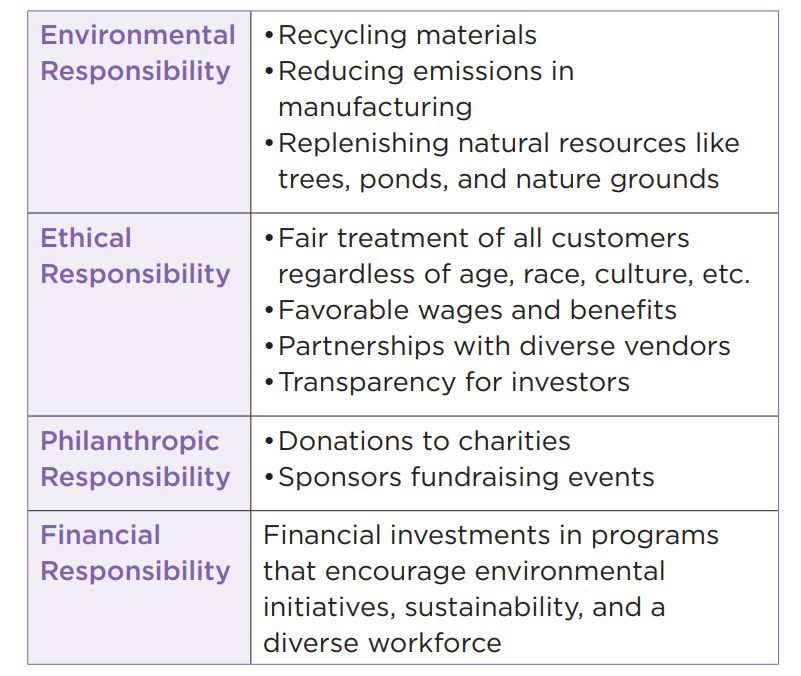
CSR initiatives typically fall under the following four categories: environmental, ethical, philanthropic, and financial.
Types of CSR Initiatives
 All of these values and ideals are part and parcel of our faith. We have much to offer the world as an antidote to the social and financial ills of our time.
For Muslims, conducting business is not merely a transaction but an act of worship; an act we are encouraged to do with fairness, honesty, and excellence.
The Prophet (ﷺ) said, “The truthful, trustworthy merchant is with the Prophets, the truthful, and the martyrs.” Our Prophet (ﷺ) along with many of his family members and companions were merchants. We understand the important role profitable trade plays in our lives.
We are prohibited from using interest and selling products deemed detrimental to society, such as alcohol. We are also forbidden from creating artificial scarcity or misrepresenting any product defects. Islam advocates for worker’s rights as
our Prophet (ﷺ) said, “Give the worker his wages before his sweat dries.”
Historically and in our modern times, philanthropic endowments were used to invest into Muslims communities to support mosques, libraries, public baths, schools, and hospitals. A hima or “protected place” was created to conserve nature and protect animal life. Our standards for halal food production aim for the humane treatment of animals and the cleaner, more ethical means of farming.
Thriving trade industries can be good for the global economy, which can lead to better jobs, higher wages, and potentially, a better quality of life. We have seen a huge increase in the “halal business economy” as people, Muslims and non-Muslim, are looking for cleaner, healthier, ethically made products and services created with Islamic principles in mind. And it is wonderful that the “Islamic business model” dovetails perfectly with the modern Corporate Social Responsibility (CSR) model.
Despite supply chain disruptions, inflation, and violent conflicts, the future looks bright. According to the Dinar Standard 2024-2025 report:
“Amid unprecedented geopolitical and economic volatility, driven by factors such as the Israel-Gaza conflict, shifting trade alignments, and pronounced regionalization of economic activities, Muslim spending across the Islamic economy sectors (excluding Islamic finance) still expanded by 5.5% in 2023. Looking forward, this spending is projected to rise to US$3.36 trillion by 2028, indicating a compound annual growth rate (CAGR) of 5.3% over five years. Despite inflationary pressures and supply chain disruptions due to geopolitical tensions, consumer resilience remains high.”
While the halal economy is booming, we also face challenges in trying to maintain halal guidance in our everyday lives. The largest Islamic economies are based in countries like Malaysia, Indonesia, and Saudi Arabia. In the West, we have made many strides in creating halal commerce in the US and Canada, but there is still room for growth.
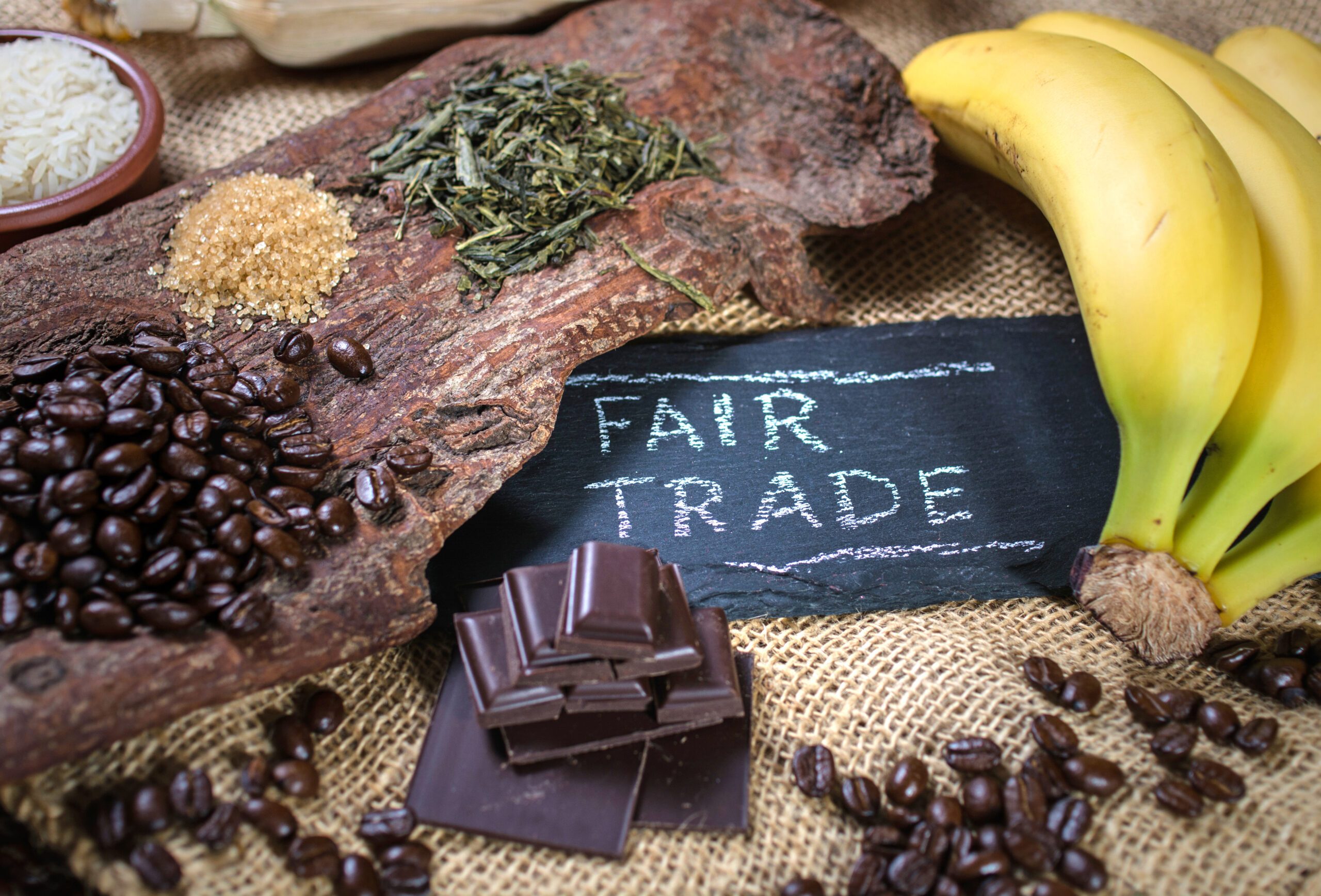
Islamic ethics are compatible with fair trade business ethics. Fair trade is trade between companies and producers in developing countries in which fair prices are paid to the producers. The producers receive fair wages, work in safe conditions, and can invest in their communities. Many everyday items are available as fair-trade commodities, including sugar, fruit, chocolate, coffee, and cocoa. The next time you buy your next cup of coffee or chocolate bar, look for the “Fair Trade” label. Fair trade items are more expensive, as you are paying the premium price to ensure workers’ and environmental rights. For those on a fixed budget, try to switch out one non-fair trade item out for a fair trade one at a time so you don’t feel overwhelmed.
Navigating the finance world can be overwhelming, especially if you are not financially savvy. How do you know if your 401(k) is halal? Which stocks are permissible to purchase? How can you avoid riba in an interest-based economy, or buy a home in a Sharia-compliant way? Islamic scholars provide guidance, and Sharia-compliant financing offers alternatives to conventional loans. While monthly payments may differ, Sharia-compliant loans can have a variable lifetime cost compared with conventional loans, allowing you to align your finances with both your faith and long-term planning.
Try to invest as much as you can into the halal economy on a local level. You do this every time you shop at your locally owned Muslim business. Whether it’s a brick-and-mortar business like a coffee shop or an online business selling modest clothing, every dollar you contribute helps to promote the halal business trade in the United States.
Supporting the halal economy goes beyond everyday purchases; it’s about contributing to ethical, faith-aligned commerce. IFANCA plays a vital role in this ecosystem, upholding integrity in halal certification through rigorous audits and inspections to ensure food products worldwide meet halal laws and guidelines. By promoting transparency, accountability, and ethical practices, IFANCA exemplifies how Islamic ethics can shape a thriving, principled halal economy.
References:
Kelly Izdihar Crosby is an artist and freelance writer based in Atlanta, GA. You can find her work at www.kellycrosbyart.com