Gut Health in Motion
Ali Othman, NSCA-CPT®
Article
December 5, 2025
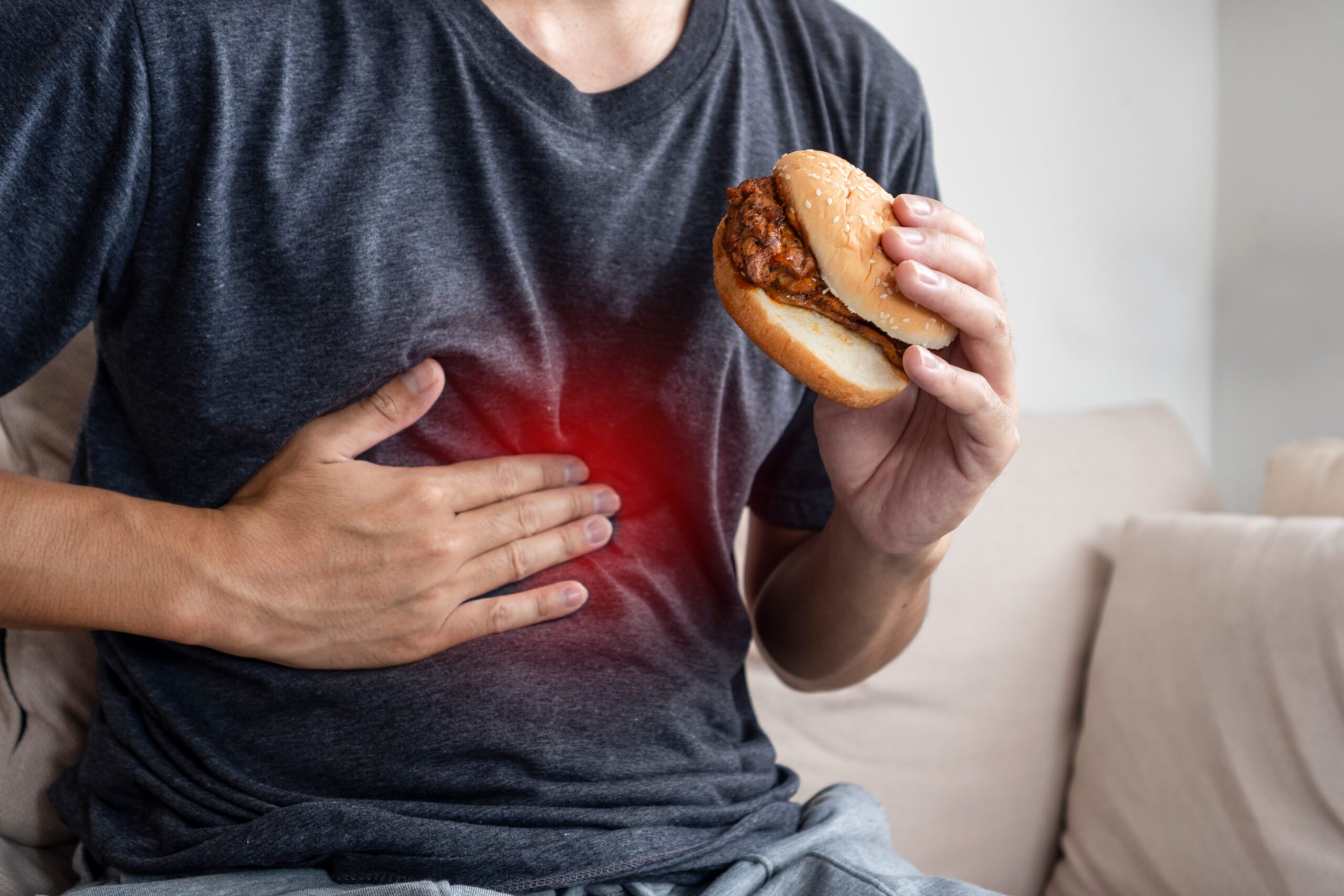
Digestion is often thought of as an autonomous internal process where food enters the body, nutrients are absorbed, and waste is eliminated. Although the process is internal, it is affected by factors far more interesting than what, and when you eat. Physical activity can reshape the body, relieve stress, and improve cardiovascular health. The right activity at the right time can alleviate digestive discomfort, improve digestive processes, and reduce the risk of colon cancer.
Digestion relies on peristalsis, the involuntary wave-like muscle contractions in the stomach and intestines that propel food and waste through the digestive tract. Physical activity can stimulate these contractions, leading to more efficient digestion. Increased activity boosts blood circulation and improves the movement of oxygen and nutrients to your muscles and organs, including those responsible for digestion.
Increasing your physical activity can have an immediate and positive effect on digestion. A 2021 study by M.K. Hosseini-Asl et al published by the National Library of Medicine found that,
“minimal exercise after meals was associated with significant improvements in the GI tract symptoms such as belching, flatus, postprandial epigastric fullness/bloating, gas incontinency and abdominal discomfort/pain.”
In this four-week study, participants walked for ten-to-fifteen minutes immediately after each meal. This simple, low-intensity activity requires no equipment or practice, yet proved to be as effective as medication in alleviating digestive discomfort.
When you’re physically active, your heart rate increases and your breathing accelerates. This triggers a lot of internal bodily functions. The vagus nerve, which extends from your brain to organs throughout your body, plays an important role in regulating and stimulating many of these functions. One of its many important functions is connecting the brain and gut, this enables the body to produce digestive enzymes, secrete stomach acids, and stimulate contractions within the digestive tract.
Beyond these immediate benefits, long-term, regular physical activity provides additional benefits. Increased digestive enzyme activity supports the overall efficiency of the digestive system, helps the gut operate at its best, and mitigate the risk or manage the symptoms of many of today’s chronic illnesses.
When engaging in physical activity directly after eating, it is important to maintain a relatively low intensity. High-intensity movements or exercises that involve jumping, kneeling, or lying flat can lead to acid reflux or heartburn. After eating, a large quantity of blood is diverted to the stomach to aid in digestion so high-intensity exercise too soon after eating may lead to muscle cramps.
The key is to match the type, timing, and intensity to your personal needs, although a 2020 study by M. Aqeel et al published by Nutrients in MDPI found, “a beneficial effect of post-meal exercise on improved postprandial glycemic response regardless of time of day.” That means whether breakfast, lunch, or dinner, there are many low-intensity, gut-boosting activities that provide these digestive benefits.
Walking
Walking is simple, effective, and inclusive, and can improve overall physical and mental health. It is the unsung hero of the gut. To support digestion, walk for twenty-to-thirty minutes at a comfortable pace within thirty minutes of eating. Walking is one of the only physical activities you should engage in so soon after eating. Maintain a low-to-moderate intensity and an upright posture so gravity can assist the movement of food through your gastrointestinal system.
Yoga
Certain Yoga poses can provide digestive benefits by stimulating blood flow, massaging the abdomen, and activating the parasympathetic “rest-and-digest” response which helps slow down your heart rate and relax sphincter muscles within the digestive tracts.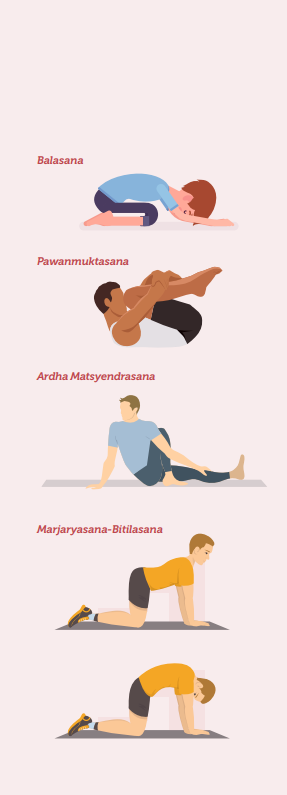
Low-Impact Cardiovascular Exercise
Nearly all low-impact cardiovascular activities aid digestion by increasing circulation and promoting gentle, rhythmic movement within the digestive tract. In addition to walking, swimming, cycling, elliptical training, and many other activities produce repetitive, rhythmic lower body movement that stimulates peristalsis and supports digestive function.
Core and Pelvic Floor Strengthening
Strengthening your core and pelvic floor muscles can support digestive and pelvic organ function. Exercises such as planks, bridges, bird dogs, crunches, flutter kicks, and high knees build muscle that surrounds and supports pelvic organs. Strengthening the pelvic floor is associated with improved bladder control and reduced urgency or incontinence.
To maximize the benefits of these activities, maintain a low-to-moderate intensity and choose timing that fits your lifestyle; ideally around thirty-to-sixty minutes after meals. Pair your activity with a diet high in fiber, prebiotics, and probiotics, and stay well-hydrated throughout the day.
Your digestive system is dynamic and responsive, and physical activity can be one of its most trusted allies.
The right type of exercise at the right time can stimulate peristalsis, improve blood circulation to digestive and pelvic organs, enhance nutrient absorption, and alleviate digestive discomfort.
Before beginning your gut-focused exercise plan, consult your physician and start safely and confidently, setting the stage for long-term digestive health.
References:
Ali Othman is an NSCA-certified personal trainer with over fifteen years of experience in the health and wellness industry. He is passionate about giving people the tools to live a healthier and better-informed tomorrow.