Sweetness Overload: Taming Sugar Cravings
Summaya Ali, MS, RD
Article
December 4, 2025
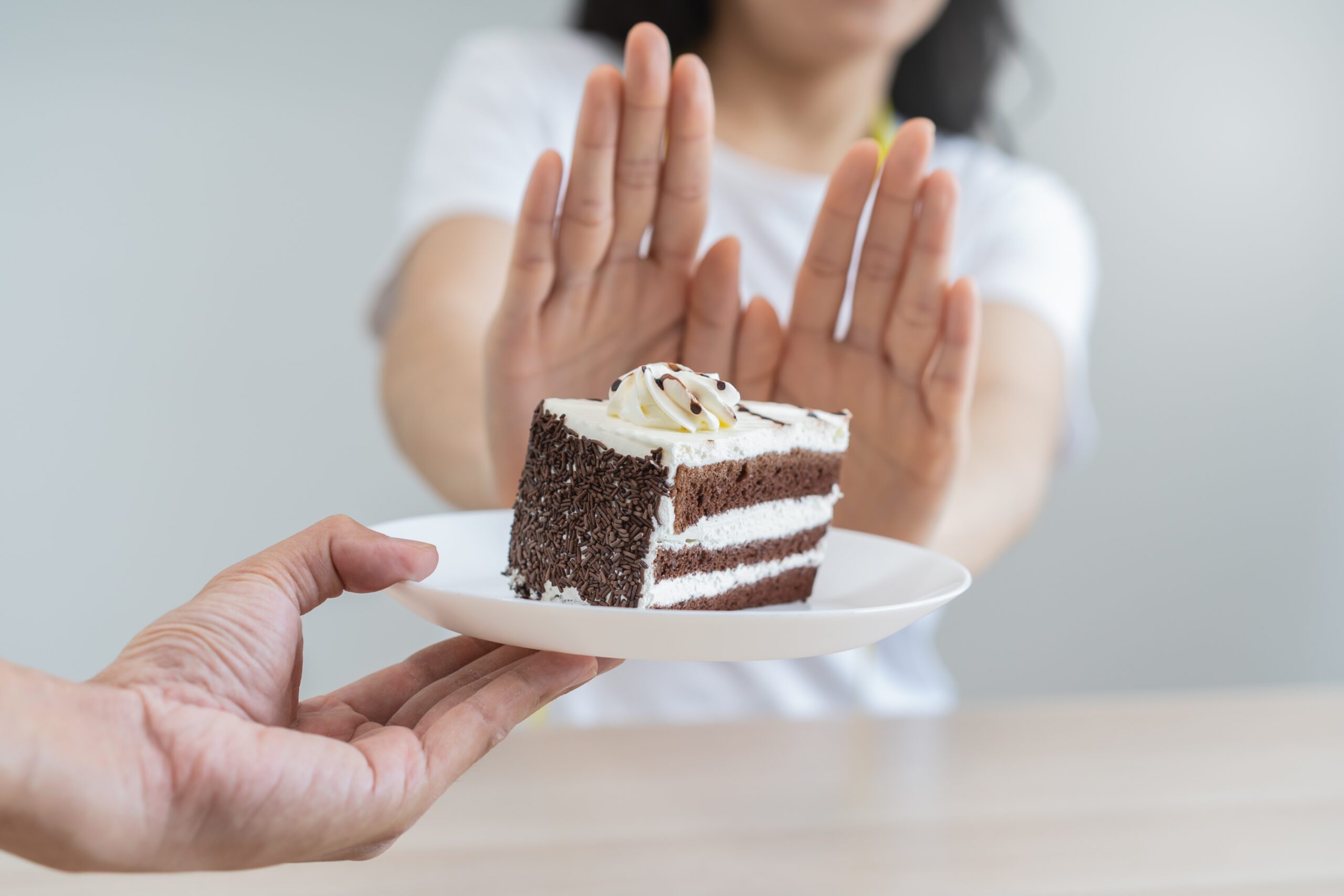
Think about the last time you had a sweet little craving. It’s a pretty amazing interplay between body systems. It results in a desire for a specific food that feels rewarding to the brain. This can arise from sensory cues, emotional triggers, or underlying health conditions. Unlike hunger, cravings are harder to satisfy. The sugar spike feels good at the moment as the “happy hormone” dopamine is released and the brain’s reward centers get activated. But it is pretty short lived. Sugar levels drop and fatigue, headaches, and an anxious mood take over. The body triggers another craving looking for more sugar. Overeating is often the result, and other body systems can get disturbed and cause symptoms like bloating and acid reflux.
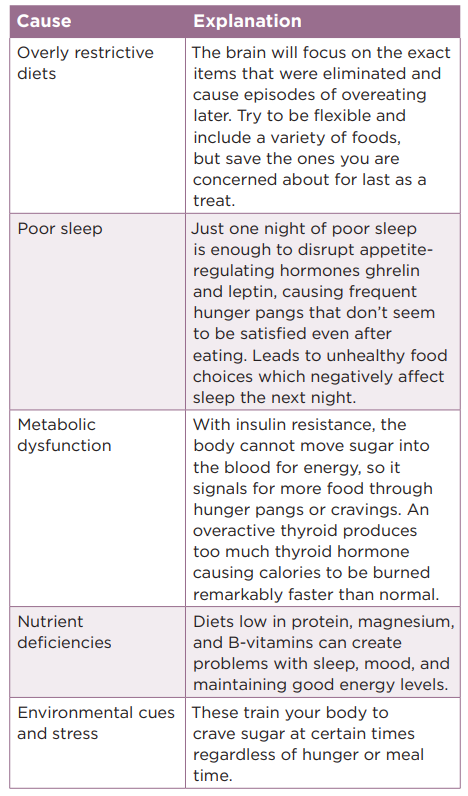
What’s causing the cravings?
The sugar industry
The global dynamics of sugar are steered by a multitude of factors, including population growth, economics, and demands from the food industry. Domestic sugar consumption continues to increase, with the United States being one of the top markets, as reported by the USDA Foreign Agricultural Service report in May 2025.
“The average daily sugar intake in the U.S. is upwards of 20 teaspoons, which far exceeds recommended intakes.”
Sugar is an inexpensive additive that serves many functions; however, its convenience and usage is not heading in the best interest of our health. Consumers are getting accustomed to high sugar foods, and without it, things seem to be unpalatable, and daily routines are incomplete.
Educating families
The little ones can have sugar cravings too. The concern is when sugar constitutes a major portion of children’s food intake on a daily basis. Their taste buds get used to that sweetness and they want it consistently. Snacks or drinks marketed toward children have statements like “made with real fruit” or a “good source of vitamin C.” This might cause families to believe it is a healthy food when in reality, the major constituent is sugar. Although public health efforts to reshape product labeling and reduce unhealthy marketing are in effect, sugar intake in children is still far beyond acceptable levels. Educating families is a great first step and helps to empower children to make better decisions on their own and become confident eaters.
Building healthier habits
“Good lifestyle habits can help tame those cravings and improve overall well-being.”
It starts with paying attention to hunger and fullness cues. Fuel your body at regular intervals. If that’s hard at first, try giving a three to four hour gap between meals. This makes it easier to manage your appetite for the rest of the day. You won’t have monstrous hunger by dinnertime. Also, notice how you feel after a meal. If there’s emptiness even though you have eaten enough, it may be a sign that you need to add more protein to meals. It fills you quickly and keeps you satisfied longer. Our bodies constantly make and use protein so it’s necessary to eat it throughout the day. Meat, fish, eggs, milk, yogurt, cheese, cottage cheese, beans, and tofu are good protein choices. Add one or more of these to each meal.
Set up a good environment
If you keep large packages of treats in your fridge, your brain will keep reminding you to eat them until they are finished. Get small packages. There is always a greater blessing in the little things. Also, know your triggers and make something get in the way. Schedule an activity that keeps your hands busy and requires concentration. Lastly, try to satisfy the craving by pairing sweetness with a healthy snack (Champion 2022). Some quick go-to’s are graham crackers and a banana, or almonds with chocolate chips.
Improving gut health
It all depends on who’s home. Our diets, health conditions, environment, and life stage all impact what bacteria are thriving inside. Diets high in sugar make the bad bacteria set up shop in our gut. They communicate with the brain and can influence our appetite, cognition, and behavior. They feast on sugar and encourage us to eat more sugar so they can grow and multiply. Fortunately, healthy foods can combat this pretty easily. The more types of plants you eat, the more powerful your good bacteria will become. Eat meat some days, go vegetarian other days. See what fruits are on sale and stock up on a couple of different colors. Eat foods rich in magnesium and B-vitamins like whole grain breads, oats, nuts, green leafy produce, and my favorite, dark chocolate. These keep up mood, energy, and promote good sleep by regulating neurotransmitters in the brain (Leopold 2022). Eat probiotic yogurt to increase the good bacteria. Buy plain or low-sugar varieties.
Diabetes-friendly sweetness
In Type 2 diabetes, insulin can get overwhelmed and has trouble moving sugar from our food to the rest of the body. If you are having a sugary treat on occasion, try to do it in the morning. Body systems are more efficient compared to late evening. Avoid low-calorie or alternative sweeteners. Randomized controlled trials and observational studies have examined these sweeteners and found mixed results in relation to blood sugar control and body weight (Sylvetsky 2018). These have a lot of unknowns and can possibly lead to other metabolic consequences. A little table sugar or honey can safely do the job.
Fruit is a refreshing treat on its own and can be used in place of sugar to add sweetness and flavor. Fruit is filled with water and fiber, which helps keep you satisfied longer. Along with being mindful of portion size, a great strategy is to pair fruit with protein foods. This helps to slow down the absorption and prevent sugar spikes.
Sweet ideas
“While it may seem like sugary foods or drinks can provide the much needed energy boost, they actually leave us feeling more sluggish soon after.”
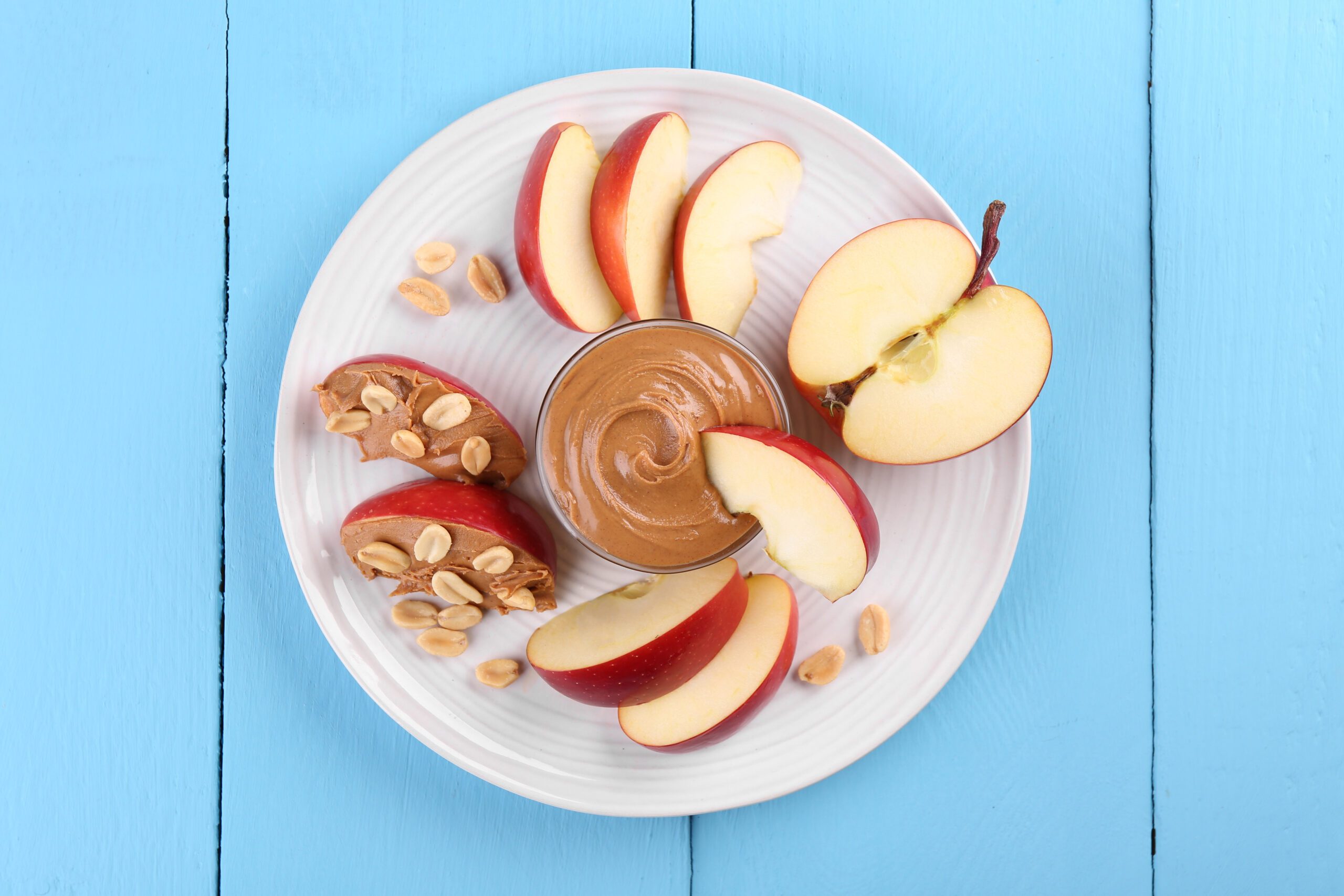
Try the healthy ideas below for lasting energy and a delicious treat:

Closing thoughts
There is someone I admire dearly, and the beauty of his example is its simplicity. It is our Prophet Muhammad (ﷺ). He had an excellent balance in all aspects of life. He liked to keep voluntary fasts, but he would also take a break on some days. He would stay up at night for worship, then he would also sleep some nights. Likewise, he would eat certain foods more regularly and other ones only occasionally. Following his wisdom puts us in a better state to perform our worship and daily obligations. It also promotes gratitude and softens the heart.
Remember that sugar does not have to be completely eliminated in order to be healthy. It is okay to satisfy a craving sometimes. It is usually harmless unless it becomes a habitual occurrence and is accompanied by other concerns. Prioritize healthy habits, but keep it easy on the mind. You will have more energy and good satisfaction, and when the occasion arises, you can handle yourself around sugar in a healthier way.
References
Summaya Ali holds a master’s degree in nutrition from the University of Illinois and is a registered dietician. She works with a variety of conditions, and two of her favorite areas of practice are chronic kidney disease and cardiovascular disease.