
School Lunchbox Prep: Simple, Halal, and Healthy Ideas for Busy Families
Omolara Funmilayo
Article
March 31, 2026
Omolara Funmilayo
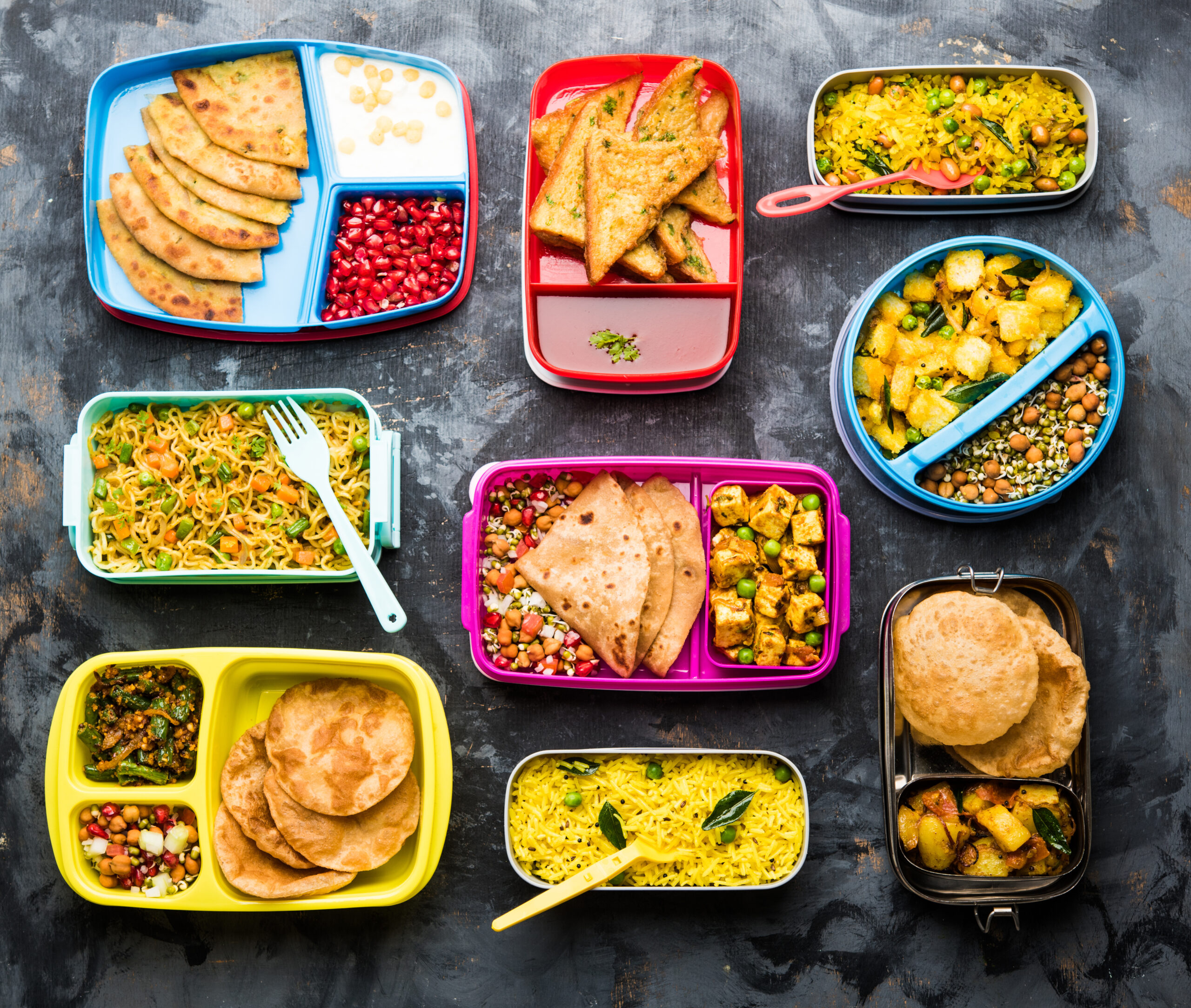
What children eat at school has a direct impact on their focus, energy levels, behavior, and overall well-being. As another school year begins, many parents find themselves facing the daily question once again: What should I pack in my child’s lunchbox? As a parent, I’ve had my share of 6:00 a.m. panic moments, throwing together random foods with hopes that they would count as “lunch.” Over the years, I have come to realize that simplicity, aiming for balance rather than perfection, creates a more successful outcome.
According to the Centers for Disease Control and Prevention (CDC), proper nutrition is linked to improved academic performance, better attendance, and fewer disciplinary issues. Children who eat balanced meals have been shown to have higher test scores and exhibit better concentration in class (CDC, 2021).
Healthy lunchboxes don’t have to be time-consuming, fancy, or expensive. They just need to be thoughtful, nutrient-dense, and something your child will eat. With a few smart strategies, pantry staples, and a basic nutrition formula in mind, you can simplify the process and set your child up for a successful school year. I typically encourage my clients to keep my trio simple formula in mind for a balanced meal. In this case, a balanced lunchbox can be guided by the same formula: PFF (Protein, Fats, and Fiber). Protein supports children’s growth and keeps them full. Healthy fats provide long-lasting energy and fuel their brain, while fiber helps maintain steady energy levels.
According to the USDA’s MyPlate for Kids guidelines (USDA, 2020), a balanced diet includes protein, whole grains, fruits and vegetables, and dairy (optional). Healthy sources of protein include meat, poultry, lentils, beans, eggs, nuts, and seeds. Whole Grains are a source of energy and fiber. These include brown rice, sourdough bread, and oats. Both fruits and vegetables are good sources of fiber, vitamins, and minerals. Vegetables like carrot sticks, cucumbers, cherry tomatoes, and steamed broccoli are lunchbox worthy, in addition to fruits like apple slices, grapes, berries, and oranges. Dairy products are excellent sources of vitamin D, healthy fats, protein, potassium, and other essential nutrients like vitamin A, B12, and Zinc. Sources can be found in milk, yogurt, or cheese.
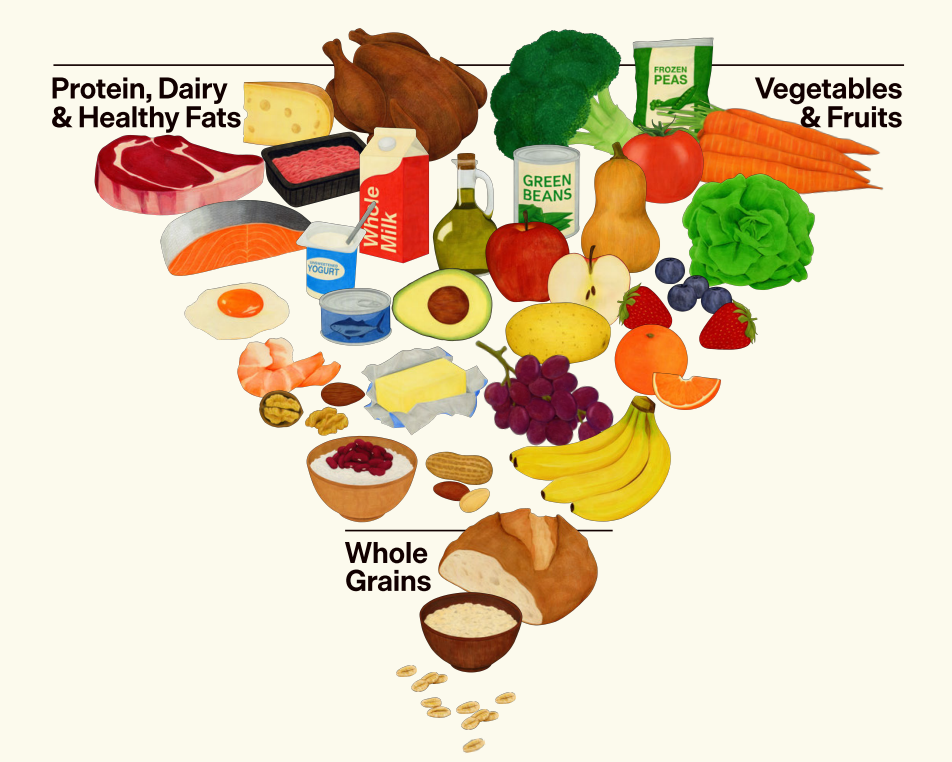
“If your child is getting bored with the same food, it may be helpful to switch things up with flavors from around the world. By embracing diverse flavors and ingredients, you will help broaden your child’s palate while nurturing an appreciation for cultural diversity and meeting their nutritional needs.”
Below are culturally-inspired lunchbox ideas that are simple, wholesome, and fun to pack.
Culturally-inspired school lunch ideas:
Think Mediterranean with pita pockets stuffed with hummus, cucumbers, olives, and grilled chicken strips. Mexican-inspired choices feature whole-grain tortilla roll-ups filled with black beans, cheese, and sweet corn. South Asian lunches could be a chapati roll with chicken or veggie kebabs, with some sliced apples and dates. The East Asian option might include rice balls with tofu or egg, snap peas, and clementines. Or try a classic American favorite with a turkey and cheese sandwich on whole-grain bread with baby carrots and grapes. And don’t forget Nigerian-inspired options like jollof rice with grilled chicken or fish, plantain slices paired with omelette or steamed veggies, or even a bean cake (moin-moin) cup with cucumbers and orange slices.
Halal Protein-Rich Snack Ideas:
Including protein-rich snacks in your child’s lunchbox can make meals more satisfying and contribute to a balanced diet. Chicken or turkey roll-ups, boiled eggs, or cheese cubes are great animal sources of protein. Veggie sticks with hummus and falafel balls are options for plant protein and good sources of fiber. Dairy sources like Greek yogurt paired with granola or fruits are a nutrient-dense addition.
Fridge Staples for Quick Halal Lunchbox Ideas:
Having the right basics in your fridge makes any meal a lot easier. Stock up items like hard-boiled eggs, cheese cubes or string cheese, hummus, nut or seed butter with whole grain crackers, yogurt, kebabs or koftas, olives, tortillas or chapati dough, black beans, cooked jollof rice portions, grilled chicken, plantain, and a mix of fresh fruits like apples, grapes, cheese (string, cubes, or slices), hummus or tzatziki.
Pantry Staples for Quick Halal Lunchbox Ideas:
Keeping a well-stocked pantry also makes it easier to pull together quick and nourishing lunchboxes. Rice, chapati flour, and whole-grain bread serve as versatile bases for many cultural meals. Beans and lentils are protein-rich options that are quick and easy to prepare. Tomato paste, dried spices add flavor to many cuisines. Sourdough bread or wraps, beans (chickpeas, black beans, lentils), brown rice, canned tuna or salmon (in water or olive oil), nut butters (if school allows), crackers or rice cakes, dried fruits and nuts, help keep lunch boxes interesting.
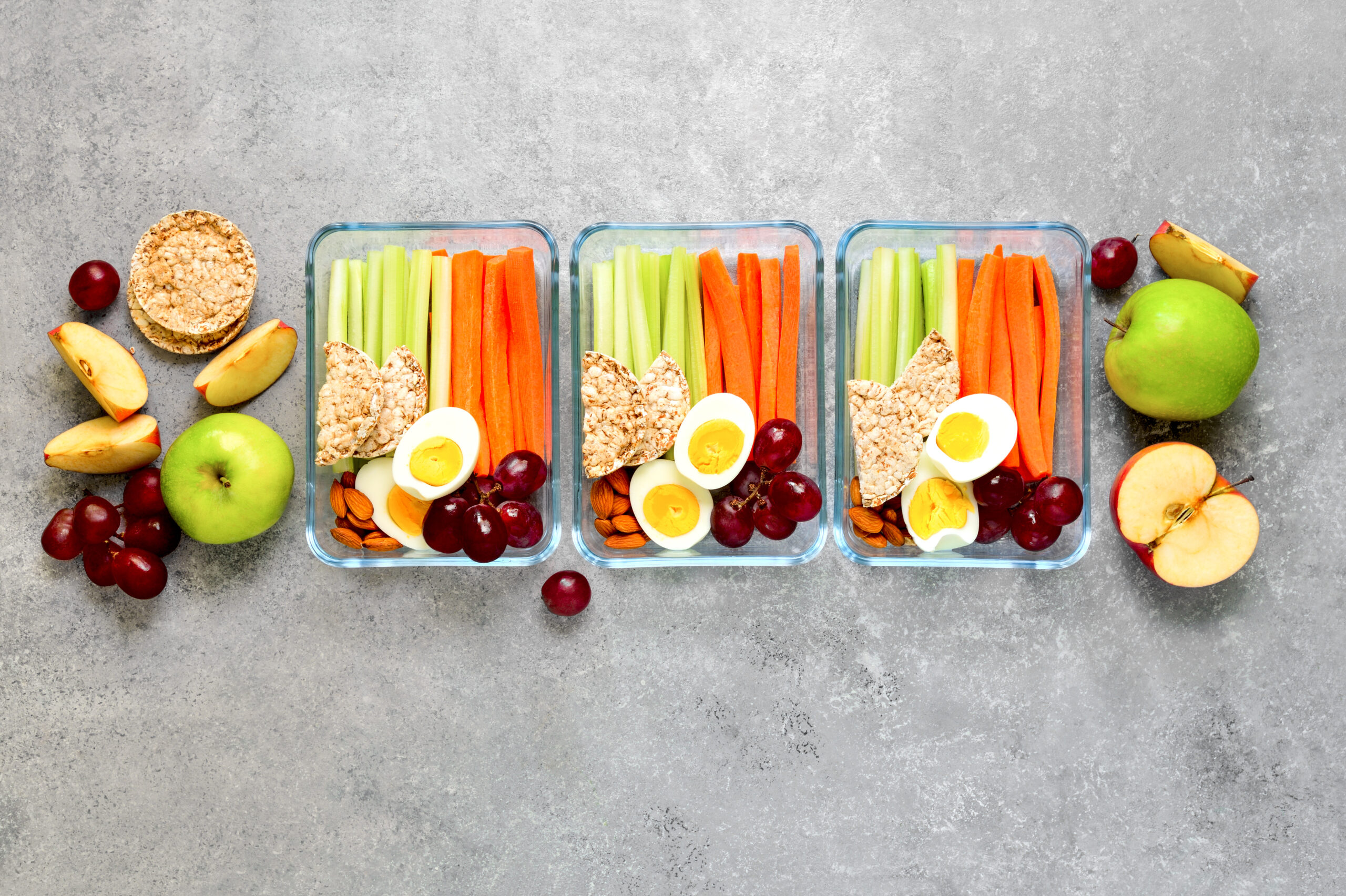
Pro Tips:
In conclusion, creating a healthy halal lunchbox doesn’t have to be complicated and time-consuming. By combining fresh ingredients with pantry and fridge staples, and a variety of global flavors, you can create meals that are both nourishing and fun. A thoughtful and nourishing lunch high in fiber, healthy fats, and protein helps to keep your child full and focused throughout the school day. Again, simplicity, striving for balance, not perfection, makes all the difference!
References:
Omolara Funmilayo’s passion for food and cooking began as a personal journey toward nourishing her own family, and has since evolved into a purposeful mission to help others create healthy, balanced meals that support lifelong wellness.