
Cultivating the Future of Halal: IFANCA’s Impact on Education and the Next Generation of Food Scientists
Muhammad Yahya
Article
March 31, 2026
Muhammad Yahya
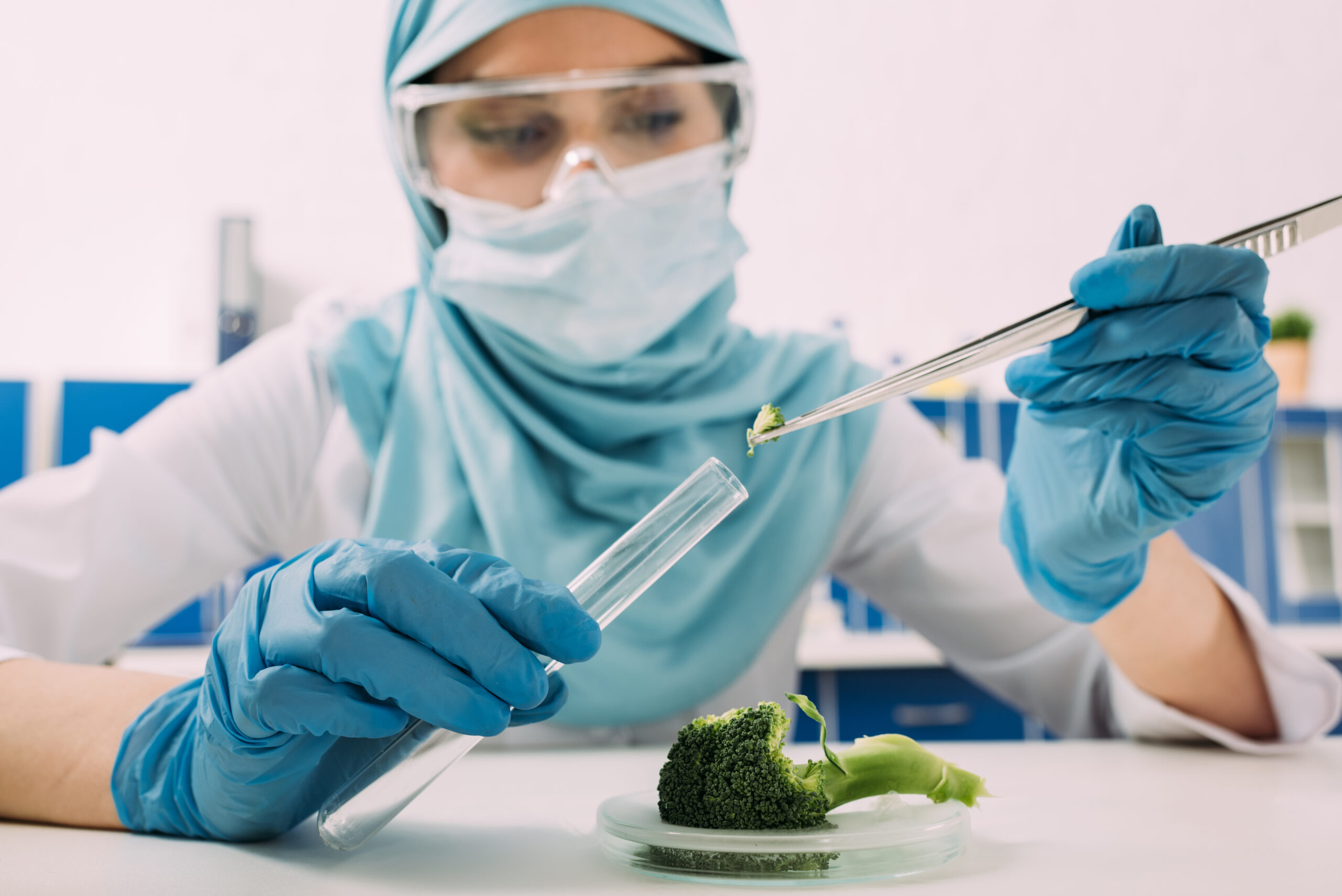
Since its founding in 1982 by a group of visionary Muslim food scientists, the Islamic Food and Nutrition Council of America (IFANCA) has championed a transformative idea: For more than four decades, IFANCA has served as a quiet but powerful force behind the global halal movement, ensuring that Muslims everywhere can access food that nourishes both body and soul.
In an era when grocery aisles are crowded with thousands of products, numerous ingredients, and continually evolving food technologies, IFANCA’s mission has remained steadfast: to ensure that no Muslim ever has to choose between their faith and well-being. Through its rigorous certification standards, backed by deep Islamic scholarship and scientific precision, IFANCA provides consumers with confidence and businesses with a trusted path toward ethical, transparent production.
Yet, there is more to IFANCA than mere certification stamps and compliance protocols and to restrict it would be an understatement. Its legacy runs deeper and stretches beyond boundaries and into classrooms, laboratories, gardens, and communities, where the next generation of halal-conscious thinkers and innovators is being shaped.
There can be no denying that, as borders and distances have shrunk, people have become more aware, so that food has stopped being just about taste or tradition. In the current landscape, food sits at the crossroads of sustainability, biotechnology, and global economics. As climate change reshapes agriculture and synthetic biology redefines ingredients, Muslim voices in food science are more vital than ever. Muslim researchers, technologists, and nutritionists bring perspectives grounded in ethical responsibility and cultural awareness. They are the ones who can ask difficult questions, such as whether the ingredients are halal, whether they are sustainable, and whether they serve the common good.
Their growing presence in the field helps bridge the gap between cutting-edge science and spiritual ethics. It drives research into plant-based proteins, clean-label foods, and humane animal sourcing. It strengthens food security for Muslim communities while promoting diversity in the broader STEM ecosystem. In short, Muslim scientists aren’t just preserving halal standards; they’re expanding what halal means in a changing world.
Acknowledging the importance of all these aspects, IFANCA has made education a central pillar of its mission.
IFANCA’s expertise in halal certification is recognized globally with standards developed through collaboration between scientists and scholars of Islamic jurisprudence, and endorsed by governments and industries on nearly every continent. From food and pharmaceuticals to cosmetics and logistics, IFANCA partners with over 70 countries to uphold the values of cleanliness, ethical sourcing, and transparency. But as the organization’s influence has grown, so too has its sense of responsibility. IFANCA understands that the long-term health of the halal ecosystem goes beyond certifying products and depends on equipping a new generation of Muslim scientists to lead with both expertise and conscience.
Across the United States, IFANCA has become a catalyst for shaping academic spaces where faith, ethics, and scientific inquiry reinforce one another. Rather than treating halal simply as a regulatory concern, the organization works to embed it within the intellectual environments that will cultivate tomorrow’s researchers, innovators, and ethical leaders. This commitment comes to life through a range of partnerships that stretch from major universities to small high schools, each designed to nurture curiosity and build confidence in young Muslim scholars.
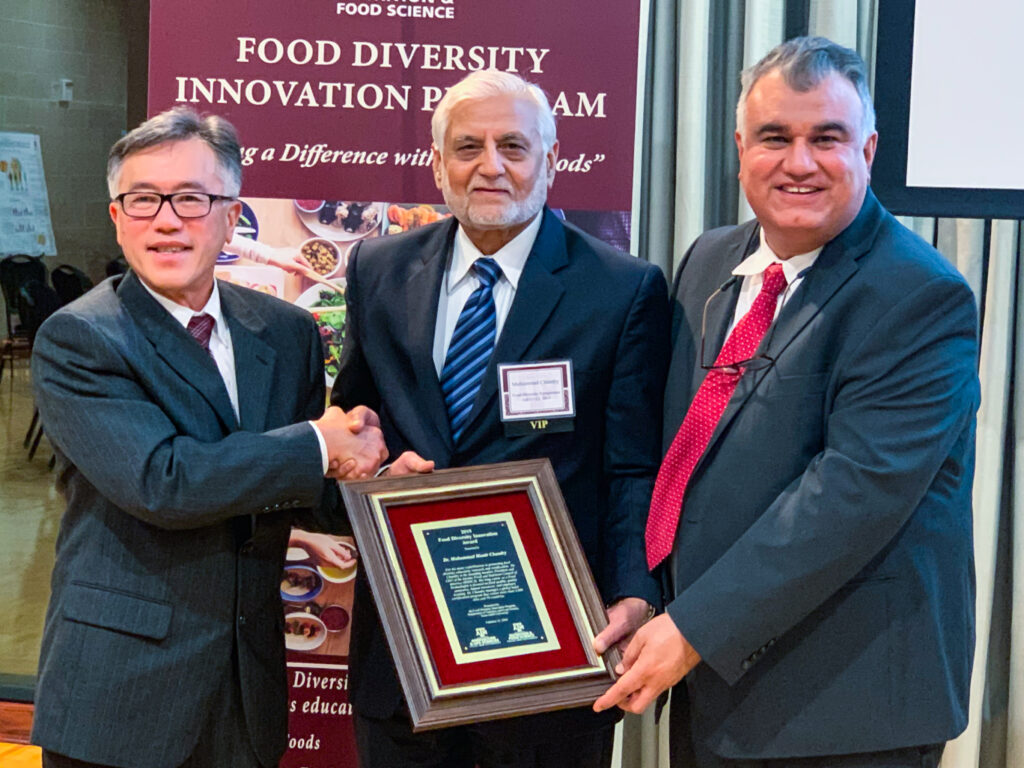
At Texas A&M University, for example, IFANCA funds pioneering initiatives that explore ethnic and faith-based food systems, an emerging field that blends anthropology, food science, and community engagement. These programs examine how cultural traditions and religious values influence the way communities produce, consume, and regulate food, ultimately helping shape sustainable and inclusive food policies.
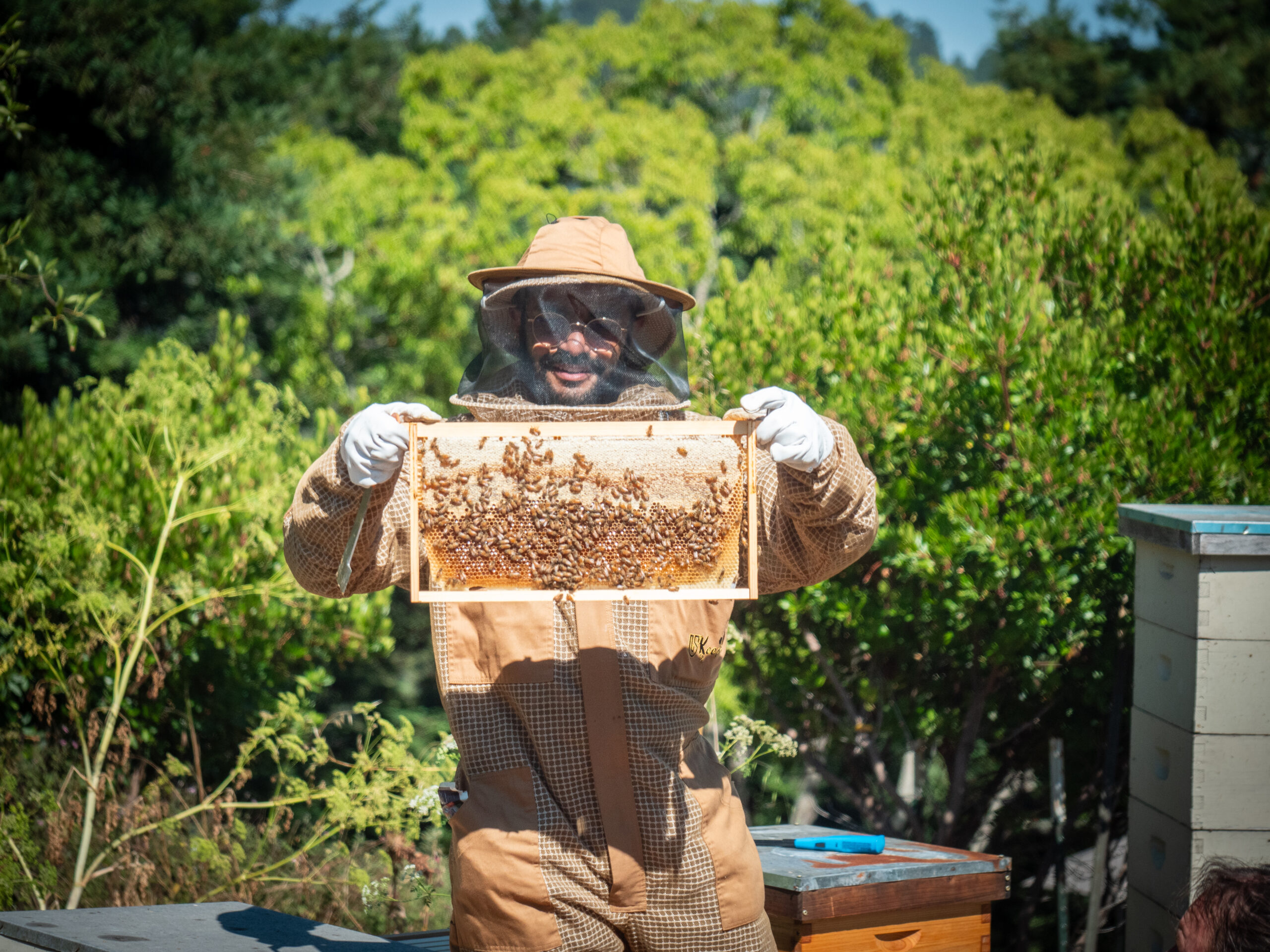
At Zaytuna College, the country’s first accredited Muslim liberal arts institution, IFANCA supports a permaculture garden rooted in Islamic environmental ethics. More than just a campus green space, the garden functions as a living laboratory where students learn about stewardship, sustainability, and the spiritual dimensions of consumption. It is a place where ecology and theology meet, reminding students that growing food is both a scientific endeavor and a moral act.
In Islamic high schools across the Chicagoland area, IFANCA invests in halal education workshops, STEM enrichment programs, and career-readiness initiatives that introduce young Muslims to the vast possibilities within food science, nutrition, and public health.
“The partnership between the Muslim Community Center Academy (MCCA) and the Islamic Food and Nutrition Council of America (IFANCA) has spanned over a decade, creating a meaningful and sustained impact on the school community.” -Habeeb Quadri, Superintendent of MCCA
He further adds, “This collaboration has supported the enhancement of school curriculum, upgrades to technology devices and educational software, development of more than a dozen after-school activity programs, provision of tuition scholarship opportunities for students and the development of teacher training programs and professional growth initiatives.” These efforts demystify the food industry and show students that their natural curiosity can evolve into meaningful careers with real community impact.
Beyond institutions, IFANCA extends its educational mission through scholarships that support outstanding Muslim students pursuing food-related disciplines. These awards recognize not only academic excellence but also a commitment to service, leadership, and advancing the halal landscape for future generations.
One story that captures this impact is that of Yusra Ansari, the 2025 Chicago Section of the Institute of Food Technologists (CSIFT) Scholarship recipient supported by IFANCA.
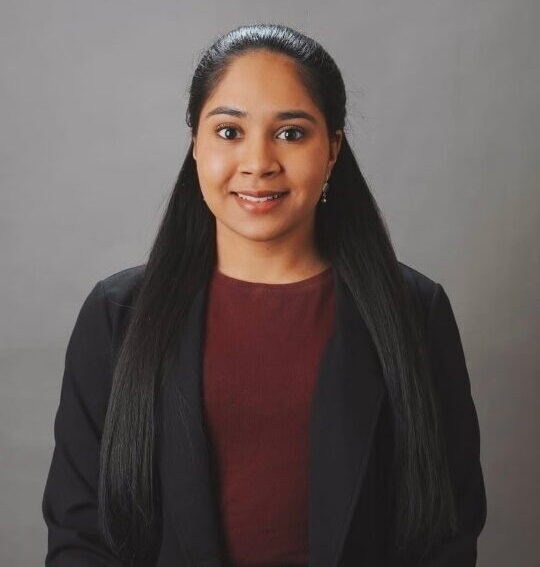
“Growing up in a multigenerational Pakistani household, food always played a central role in bringing our family together,” she recalls. What began as a simple love for the meals shared at her family table has since evolved into a deeper academic and professional calling. Today, as a Food Science and Human Nutrition major at the University of Illinois Urbana–Champaign, Yusra is transforming that early curiosity into expertise.
Her internships at Columbus Vegetable Oils and Mars have given her a close-up view of product development and quality assurance, the very frontiers where the food industry is rapidly changing and where halal standards must continually evolve. In these roles, she has learned how new technologies shape ingredients, how formulations come to life on the factory floor, and how quality systems ensure that products remain safe, ethical, and trustworthy. Yusra’s journey reflects exactly what IFANCA hopes to foster: young Muslims who see food not merely as nourishment, but as a dynamic field where science, ethics, and community responsibility intersect. Through students like her, IFANCA’s educational mission becomes a living, growing force shaping the future of halal.
IFANCA’s educational mission does not end at university gates or classroom walls. Its influence stretches into public institutions where food, dignity, and daily life intersect, from college campuses and correctional facilities to community food programs and school districts.
In these settings, IFANCA works to ensure that halal access is not a luxury but a standard of equity and inclusion.
One of its most impactful contributions is the Handbook for Halal Campus Dining, a practical guide that helps universities navigate sourcing, labeling, preparation, and service of halal food. By equipping dining teams with clear procedures and cultural understanding, IFANCA helps colleges across the country create dining spaces where Muslim students feel seen, respected, and fully included in campus life.
IFANCA’s advocacy extends even into correctional facilities, where dietary rights are often overlooked. By working with state and federal institutions to secure access to halal meals, IFANCA reinforces a simple but profound principle: that the ability to eat in accordance with one’s faith is a human right, not a privilege.
Through these initiatives, IFANCA demonstrates that rather than being confined to academic theory, education is lived through policy, advocacy, and service to the broader community.
Each of these initiatives is part of a larger vision: to nurture a generation of Muslim scientists, scholars, and leaders who approach food with integrity, empathy, and a spirit of innovation.
IFANCA recognizes that the future of halal goes beyond regulations and laboratories, and will be shaped by the individuals who embody these values in their research, policy, and everyday practices.
As the food industry accelerates, IFANCA ensures that Muslims are not simply passive consumers of change but active contributors in shaping its direction.
Muhammad Yahya is an MPA graduate from Northern Illinois University and the Program Coordinator at IFANCA. With a sociology background and public administration experience, he focuses on strategic analysis, community engagement, and advocacy for inclusive policies.