Sugar with a Sprinkle of Electrolytes
Summaya Ali, MS, RD
Article
March 31, 2026
The term “electrolyte” sounds a little scientific, but it simply refers to minerals such as sodium, potassium, calcium, and magnesium which support different functions in the body. These include blood pressure regulation, maintaining bone and muscle health, and fluid balance. Electrolytes can become depleted due to sweating, heavy exercise, and vomiting or diarrhea. Whether it’s after breaking a sweat from a workout or the need for a quick energy boost, electrolyte drinks have become a trendy go-to, appealing to athletes and the general population alike. But do they carry the same benefits for everyone and how are they affecting other health aspects? I wanted to take a deeper look and explore what they have to offer and connect it to my expertise to provide evidence-based strategies for good hydration and beyond.
Hydration basics
It might be easier said than done at first, but it’s all about listening to the body’s cues. It does a pretty neat job of alerting when it needs something. You will notice a sticky or dry mouth, headaches, less frequent urination, and muscle cramping to name a few. Depending on the situation, dehydration can progress and lead to more severe symptoms including dizziness, confusion, shortness of breath, irregular heartbeat, and severe muscle cramping or twitching. It is crucial to rehydrate and replenish electrolytes, ideally before the onset of complex symptoms to promote faster recovery. Drink water slowly. Doing it too fast can cause adverse symptoms such as vomiting (Boynton 2022). Sit down, drink in sips rather than gulps, and take a short pause from activity. It helps everything settle better in the stomach.
The key to improving hydration is to make it a regular routine throughout the day. Try to keep water in your sight or carry a bottle with you so it’s easier to remember to drink it. Hydrating before you actually get thirsty is a great way to stay ahead of the game. Plain water is the top pick for daily needs and during light activities. You can make it a little exciting by adding a squeeze of lemon or orange or some mint for flavor.
Higher demands for hydration
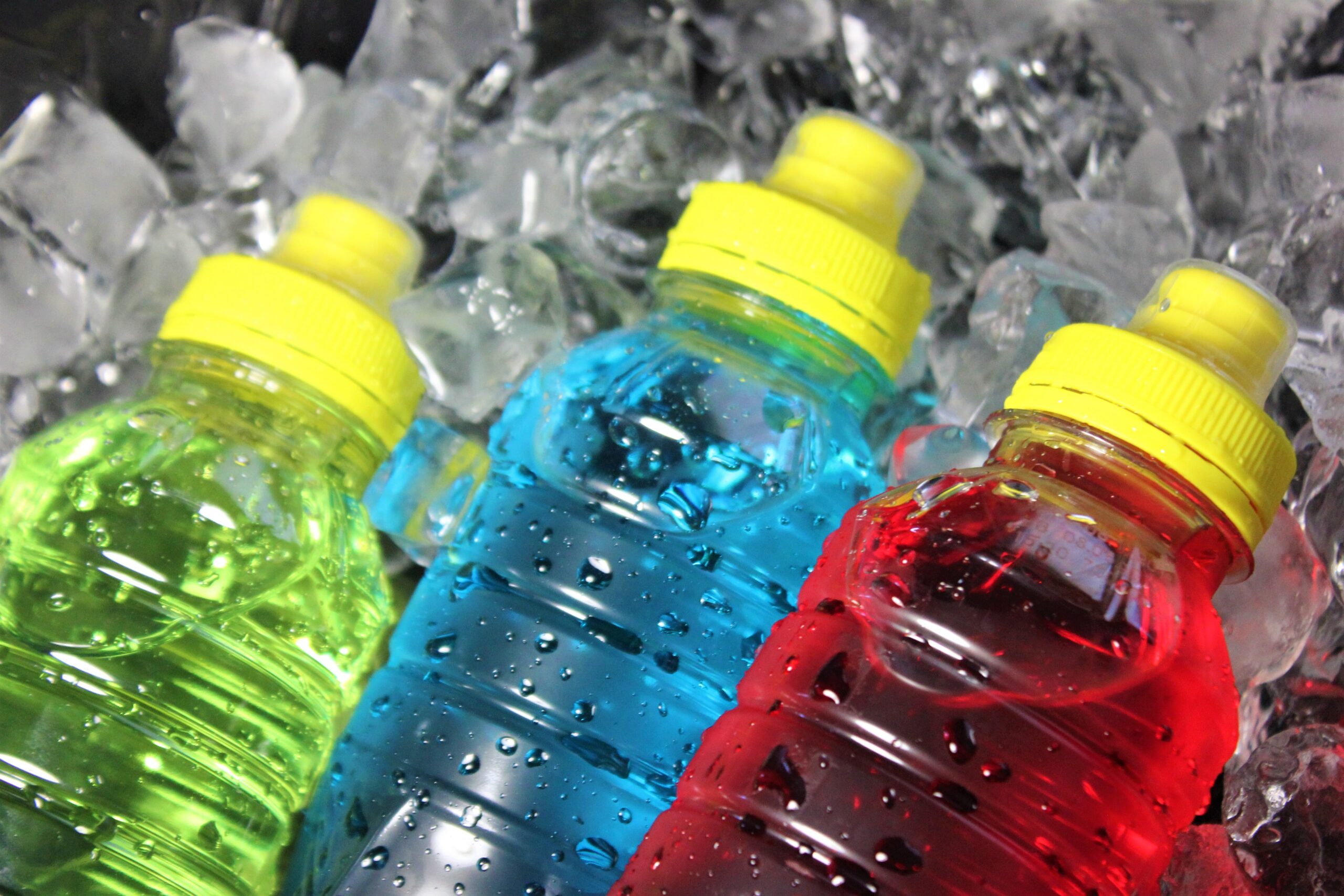
Sports drinks are intended for intense workouts or physical activity lasting greater than an hour. They contain water, electrolytes, sugar, and flavors. Some varieties feature added vitamins, minerals, and antioxidants. They are available in bottles and as “to-go packs” which are in powder form and can be mixed into water. These can help active individuals with rehydration and future performance. Rehydration may also become necessary for episodes of vomiting or diarrhea during illness or those taking diuretic medications and experiencing frequent urination. In these instances, the added electrolytes actually help the body absorb water better and replenish other losses to re-energize the body. Although the sugar content of these drinks may be high, using them for a limited time to promote recovery is acceptable.

Consumer profile
Sports drinks are a frequent carry-on, especially by students trying to manage their energy levels to power through academics and activities for the day. Adolescents with the highest consumption of these drinks included those who participate in light sports, identify themselves as athletic, and view advertisements for these drinks on social media (Broughton 2016). Many tend to consume these drinks outside of physical activity, such as during social outings or while playing video games. Marketing strategies influence the purchase of these drinks by reinforcing certain healthy claims, such as zero added sugar, gluten-free, and a long list of vitamins. Even parents of adolescents are led to believe that sports drinks are a healthier alternative to other sweetened beverages (Pfender 2023). The reality is that regularly consuming sports drinks may not be a healthy choice for everyone.
Potential consequences
There are symptoms that may occur when sports drinks are consumed frequently without an actual need. The following are red flags to look out for, along with the components of sports drinks that may be the cause.
High sodium content
Low-calorie sweeteners, other additives
Excess sugar
Homemade alternatives
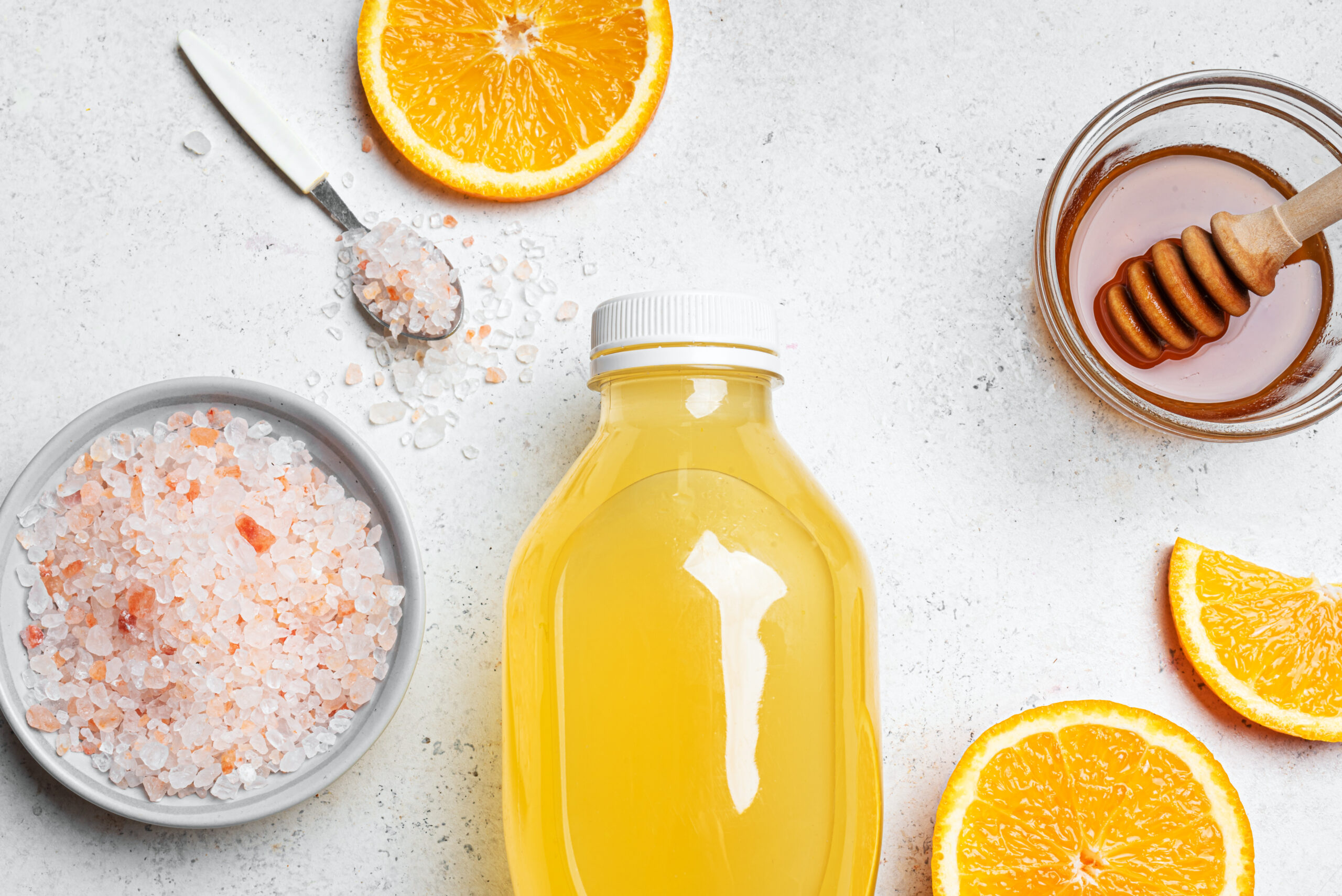
Homemade hits the spot. The drinks are highly customizable to suit your taste and health needs and are cost-efficient. It also eliminates the concern of questionable additives and sweeteners. The basic recipe calls for water, fruit juice, a sweetener, and salt. For longer or more strenuous workouts, the carbohydrate content can be increased by adding more fruit juice, fruit puree, or extra sugar or honey. Those who sweat heavily may benefit from a little extra salt. There is a lot of room for flexibility. See what you have on hand and make something amazing out of it!
Prioritize good nutrition
Sports drinks, when consumed in excess, can take the place of balanced meals in the diet. This is especially concerning in young people who are at critical growth periods, as the lack of essential nutrients compromises important body processes. The body signals that it is falling short on resources and needs attention. Prioritize balanced meals throughout the day to support well-being and periods of increased activity. A medical provider should be consulted if signs or symptoms persist.
Some signs to look out for include:
Healthy swaps
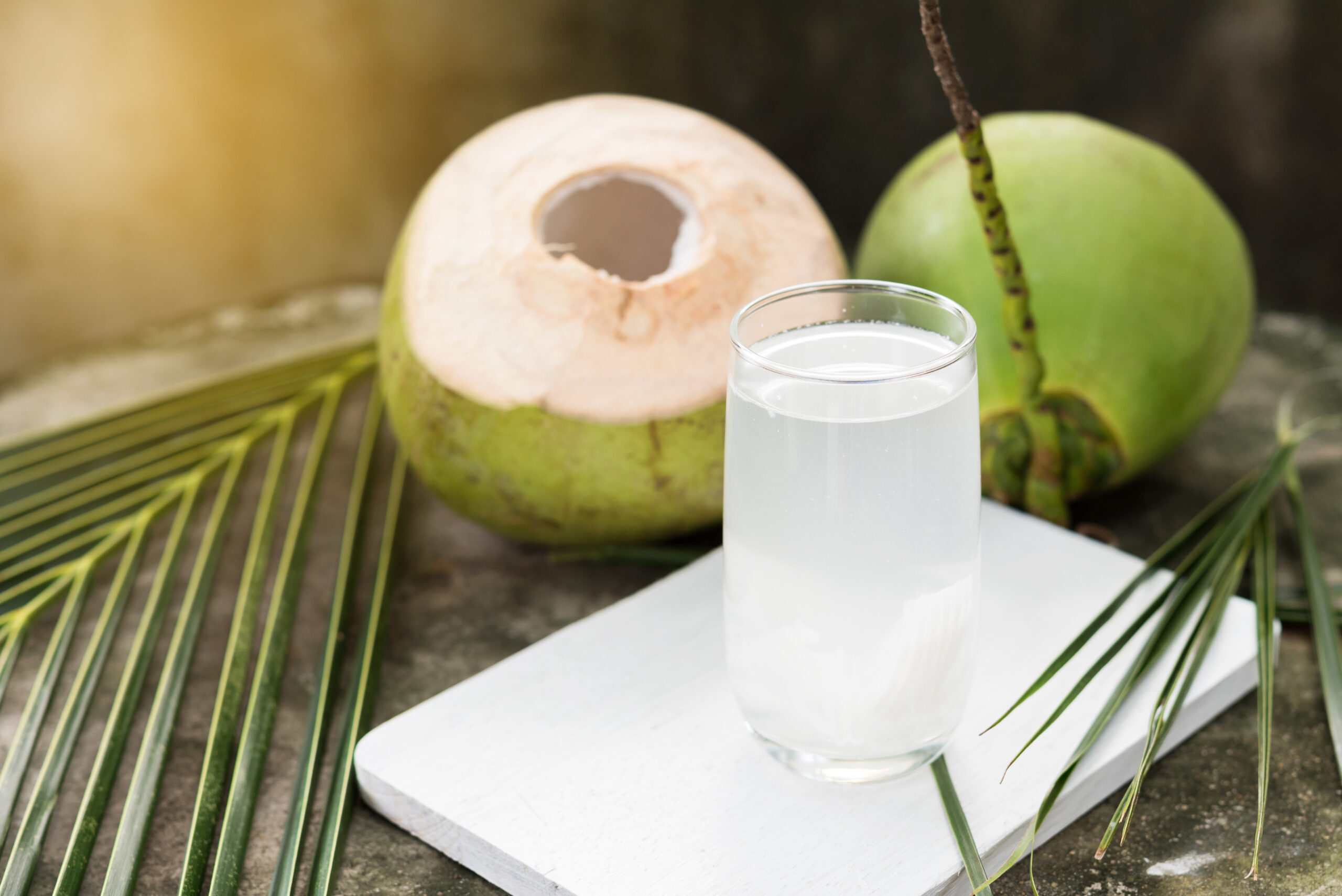
When trying to limit sports drinks or replace them with healthier options, consider a food-focused approach. For a pre-workout energy boost, try plain or coconut water and a serving of fruit. If some salt is needed, try crackers or pretzels. A few hours prior to or after a workout, a healthy snack like a granola bar or peanut butter and jam on toast can provide sustained energy with a delicious taste. Many of these items come individually wrapped or can easily be packed for people on the go.
Closing thoughts
While sports drinks can be a timely help during activity or periods requiring extra hydration, use them only when necessary while paying close attention to overall food intake. Consider diluting the drinks with water to reduce sugar content and look for products with shorter ingredient lists. The numerous additives may appear to be helpful, but in fact, many of them become a source of irritation to the body. Remember that some of the best ingredients for hydration and fuel can be found right in your kitchen. They are easy to prepare and store, taste good, and put you in full control of your nutrition. And the best part is they provide benefits beyond hydration for daily well-being so you can fuel a healthy body each day.
References
Summaya Ali holds a master’s degree in nutrition from the University of Illinois and is a registered dietician. She works with a variety of conditions, and two of her favorite areas of practice are chronic kidney disease and cardiovascular disease.